Global Events & Key Moments

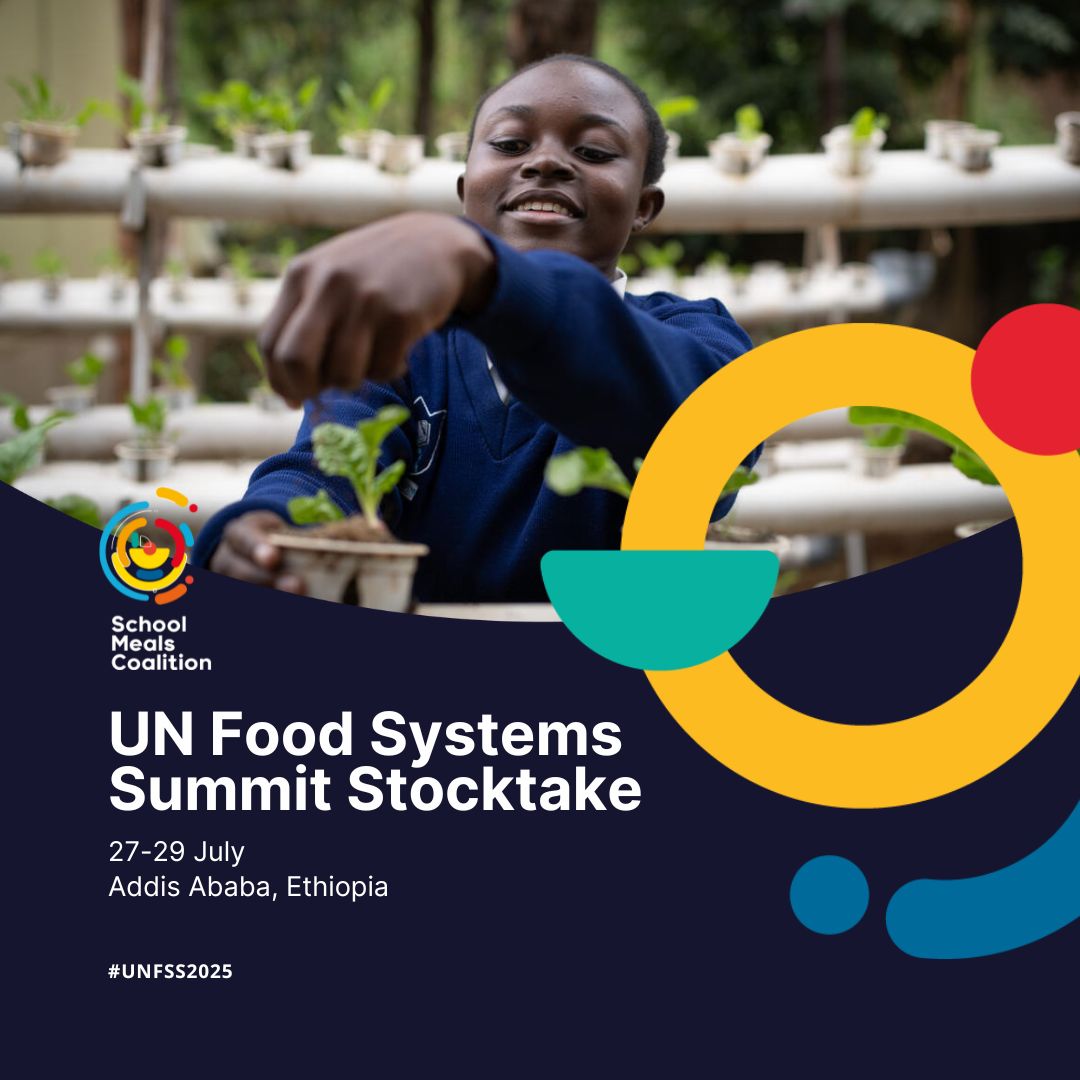
School Meals at the UN Food Systems Summit Stocktake (UNFSS+4)

27–29 Jul 2025
Background
cover
Background

The challenge

Prevailing unsustainable agricultural practices to feed an increasing population have caused enormous damage to our planet, leading to depletion and pollution of natural resources and the loss of entire ecosystems. This directly threatens food security by altering farming conditions and reducing crop nutritional quality, with food production contributing 21% to 37% of global greenhouse gas emissions. 


The opportunity

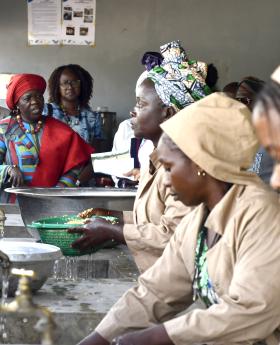
School meal programmes represent 70% of all publicly managed food systems, making up a global market of around USD$48 billion annually, and therefore represent a unique opportunity for food systems transformation, through shaping how food is produced, processed, distributed and consumed. 

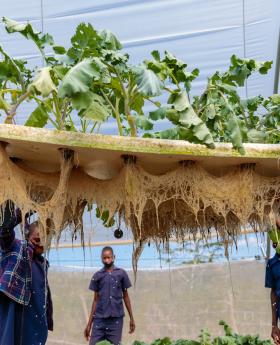
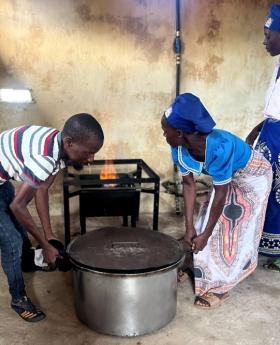
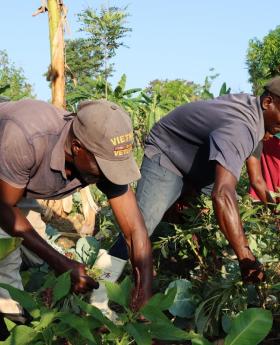
By improving the design and delivery of school meal programmes, including through home-grown school feeding (HGSF) and clean cooking initiatives, countries can shorten supply chains, improve nutrition and strengthen local food economies. Clean cooking solutions also help reduce indoor air pollution, improve health outcomes for school staff and children, and lessen the environmental impact of meal preparation. These efforts create reliable demand for diverse, locally sourced ingredients and provide stable income opportunities for smallholder farmers, particularly women, contributing to stronger food systems that are better able to meet children’s needs.
Agenda
School Meals Coalition 

Featured Event

cover

Unlocking Sustainable Investments for Home-Grown School Meals

📆 Date: 29 July
🕒 Time: 08:00-08:45 AM EAT
📍 Location: United Nations Conference Centre, Room CR2
🤝 Speakers: Representatives from Governments of Ethiopia, Kenya, Cambodia, Guatemala and France


The session featured member states and partners as they spotlight government-led approaches to financing school meals drawing on evidence and national experiences to show how coordinated action is transforming food systems, education and nutrition. Watch below.


Outcomes

Key takeaway messages

1.
Governments are increasingly recognizing school meals not merely as social support,

but as long-term, strategic investments that drive systemic change across education, agriculture, nutrition, and social protection. With 98% of the $48 billion global school meals market financed domestically, governments are embedding school meals into national development strategies to build resilient, inclusive, and sustainable food systems.  

2.
Governments need to continue stepping up their investments on school meals,

including leveraging innovative sources of financing, with donor support, with priority for low-income and fragile-setting countries, where the need is greatest.

3.
The insights shared by government leaders can help inspire other governments & partners to make new commitments

to unlock sustainable investments for home-grown school meals to be brought forward to the School Meals Coalition Global Summit in September in Brazil.

Outcomes & Reports

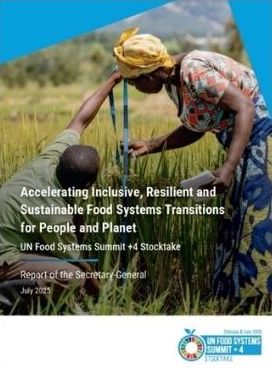
UNFSS+4 Report: Accelerating Inclusive, Resilient & Sustainable Food Systems Transitions
unfss report

In this UNFSS+4 progress report, school meals are highlighted as a proven policy tool delivering across sectors. The report recognises school meals for their wide-ranging benefits—improved nutrition, education, and local economies—and showcases how governments are scaling them up with support from the School Meals Coalition. It also spotlights global recognition of school meals in declarations from the G20, COP28, and the UN General Assembly, and highlights national progress in countries such as Nepal, Egypt, Ghana and Brazil.

UN Secretary-General’s call for accelerated food systems action
sec gen

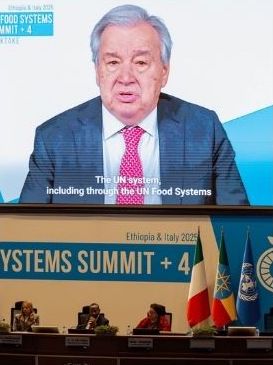
In the UN Secretary-General’s Call to Action released at the close of UNFSS+4, school meals are highlighted as a key lever for child nutrition, sustainable food systems and national development. The report notes that more than 169 countries now implement school meal programmes, and identifies them as vital public policies alongside sustainable procurement and regenerative agriculture. Ethiopia’s example shows how local investments in food systems are already impacting school feeding, jobs and local markets—demonstrating the power of school meals to deliver across sectors.

Leader's quotes

What leaders said about School Meals

At the summit opening session, Ethiopia’s Prime Minister, Abiy Ahmed Ali, and Nigeria’s Vice President, Kashim Shettima, highlighted their increased national investments on school meals. Throughout the summit, at least 15 governments – including Bhutan, Brazil, Burundi, Cambodia, Ethiopia, Germany, Ghana, Guatemala, Hungary, Indonesia, Kenya, Lesotho, Nigeria, Rwanda, and Togo – emphasized school meals as a key lever for food systems transformation.

ethiopia edu minister

Ethiopia

H.E. Prof. Berhanu Nega, Minister of Education in Ethiopia

“Since joining the School Meals Coalition, Ethiopia increased its coverage fivefold to reach 7.5 million children. If we want to build stable societies, we must provide equitable, quality education, and that can only be achieved with school meals at the elementary level. We’re not talking about this enough. They give children, especially those from poor backgrounds, a fighting chance to climb the ladder in terms of their economic well-being.

For these programmes to work, public and government ownership is essential, especially as donor funding continues to decline.”

Regional efforts
The road to UNFSS+4

Building regional momentum

In preparation for the 2nd United Nations Food Systems Summit Stocktake (UNFSS+4), a series of Regional Preparatory Meetings were convened to assess progress in food systems transformation, strengthen accountability, and mobilize investments toward achieving the Sustainable Development Goals.

The School Meals Coalition used these moments to spotlight the importance of government financial investments in school meal programmes as a strategic lever for transforming food systems, highlighting country commitments across regions as examples of domestic and international financing, and as part of broader national efforts to embed school meals in food systems strategies, ensuring that national priorities and country-led progress are reflected in the global dialogue.

Africa

With 62 million children reached by 2022, Africa is a global leader in school meals and a key driver of food systems transformation. Countries across the region are making strong national commitments to expand and institutionalize school meal programmes by embedding them in national policies, systems, and budgets. These commitments are helping to strengthen food systems by linking schools to local agriculture, supporting nutrition, education, and local economies.

At the region's preparatory meeting, The School Meals Coalition was represented by Burundi’s National Convenor, Dr Célestin Sibomana.

Europe & Central Asia

With 55 million children reached by 2022, Europe and Central Asia are advancing school meals as a strategic investment in national development and food systems. Twenty countries in the region have joined the School Meals Coalition, with many making domestic and global commitments to scale up programmes and strengthen procurement and delivery systems.

At the region's preparatory meeting in Geneva, Finland’s National Convenor represented the School Meals Coalition, as governments and partners reflected on progress and the investments needed to accelerate transformation by 2030.

Latin America and the Caribbean

With 80 million children reached across 31 countries by 2022, Latin America and the Caribbean are advancing school meals as a key lever for food systems transformation. Twenty-two countries have joined the School Meals Coalition, making national commitments to embed school meals in policies and budgets through linking programmes to local agriculture and supporting nutrition and education. 

At the region's preparatory meeting, Brazil and Mexico, represented by their National Convenors, shared regional progress and reaffirmed school meals as a national, regional and global priority for food systems transformation.

Asia-Pacific

With 182 million children reached by 2022, the Asia–Pacific region is making school meals a cornerstone of efforts to improve nutrition, education, and food systems. At the UN Food Systems Summit +4 Regional Preparatory Meeting, governments and partners highlighted strong national commitments to expand and institutionalize school meal programmes. It was emphasized that School Meals Coalition member governments across the region are making significant financial investments to strengthen food systems and support children’s well-being.

Evidence & Impact
Comms Toolkit
Amplify the Conversation on #UNFSS2025

Communications Toolkit

Content, Hashtags & Visuals for Your Channels

This toolkit provides curated posts, hashtags, key messages, and shareable graphics to help you engage your audience around the UN Food Systems Summit 2025. Use it to highlight the role of #SchoolMeals in transforming #FoodSystems, promote data and evidence, showcase the Coalition’s leadership and commitments, and amplify the Coalition’s featured event. Simply copy, adapt, and post to join the global conversation.


Official hashtags: #SchoolMeals #UNFSS2025 #FoodSystems
Tag us: @SchoolMeals_ and @FoodSystems

SMC visual social food

Suggested caption:

🌿 #SchoolMeals can help improve our #FoodSystems. How?
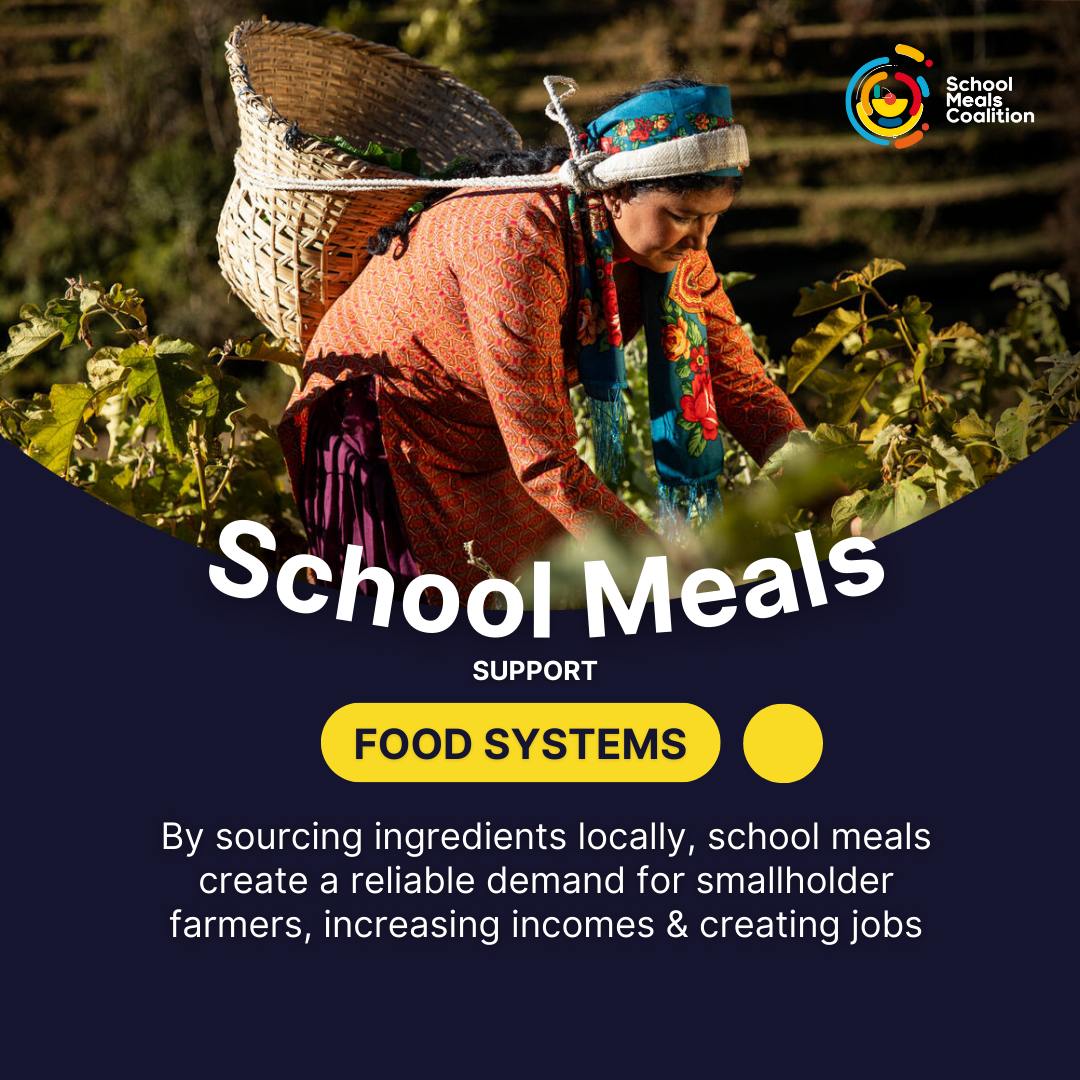
🚸 By sourcing food locally, governments create stable markets for smallholder farmers, boost incomes & strengthen national food systems.
➕ Learn more in the lead-up to #UNFSS2025: https://schoolmealscoalition.org/school-meals-un-food-systems-summit-stocktake-unfss4

UNFSS-schoolmeals

Suggested caption:

🚸🌿 How do #SchoolMeals transform #FoodSystems?
🥘 They fuel local agriculture, improve child nutrition & drive public procurement.
🌍 At #UNFSS2025, @SchoolMeals_ will spotlight how countries secure sustainable financing for long-term impact.
🔗 https://schoolmealscoalition.org/school-meals-un-food-systems-summit-stocktake-unfss4

commitments to food systems

Suggested caption:

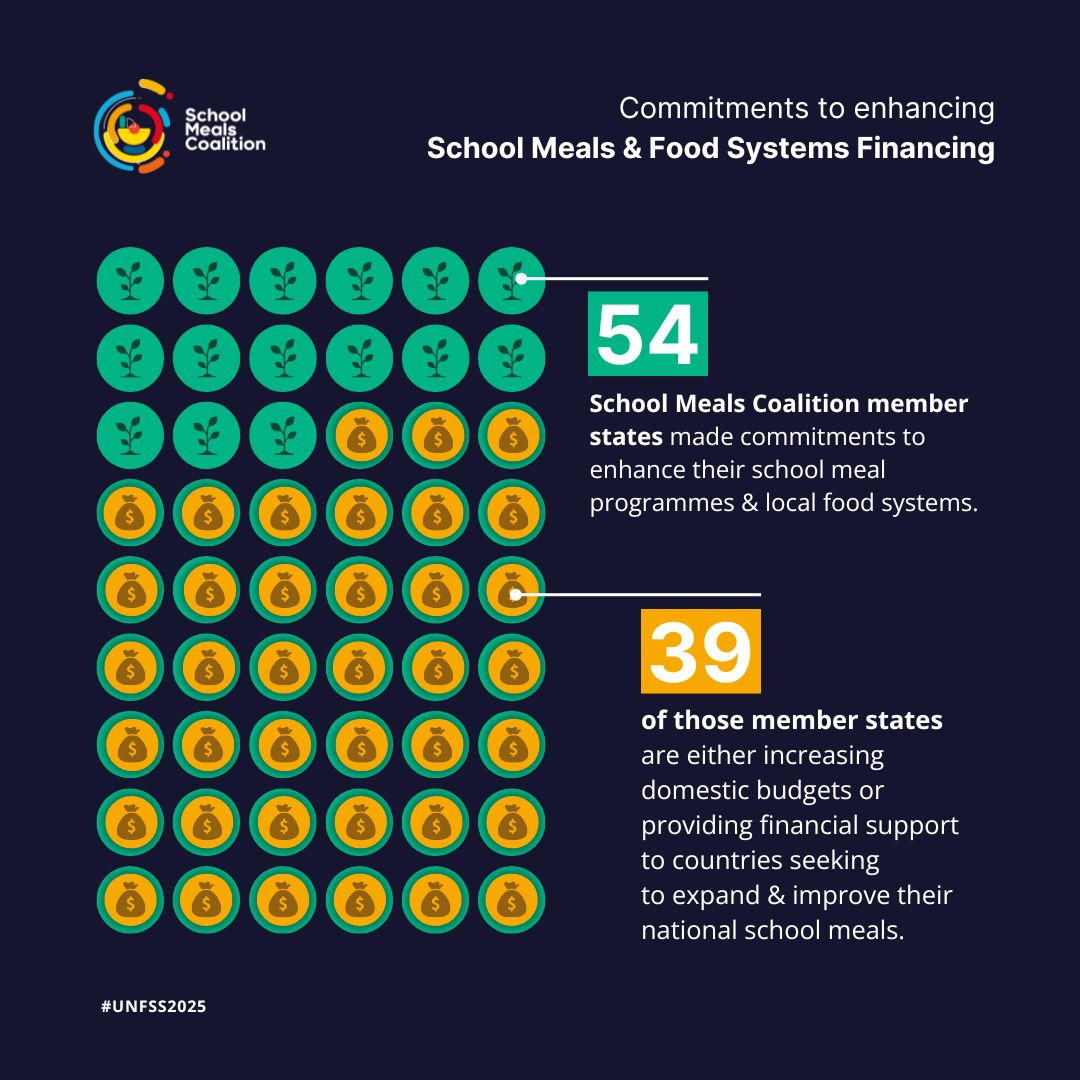
💰 Ahead of #UNFSS2025, governments are investing in #SchoolMeals to transform #FoodSystems.
📊 54 @SchoolMeals_ Coalition members committed to strengthen food systems.
💵 39 focus on financing—by increasing their budgets or funding other countries.
🔗 https://schoolmealscoalition.org/actions/national-commitments

unfss2021

Suggested caption:

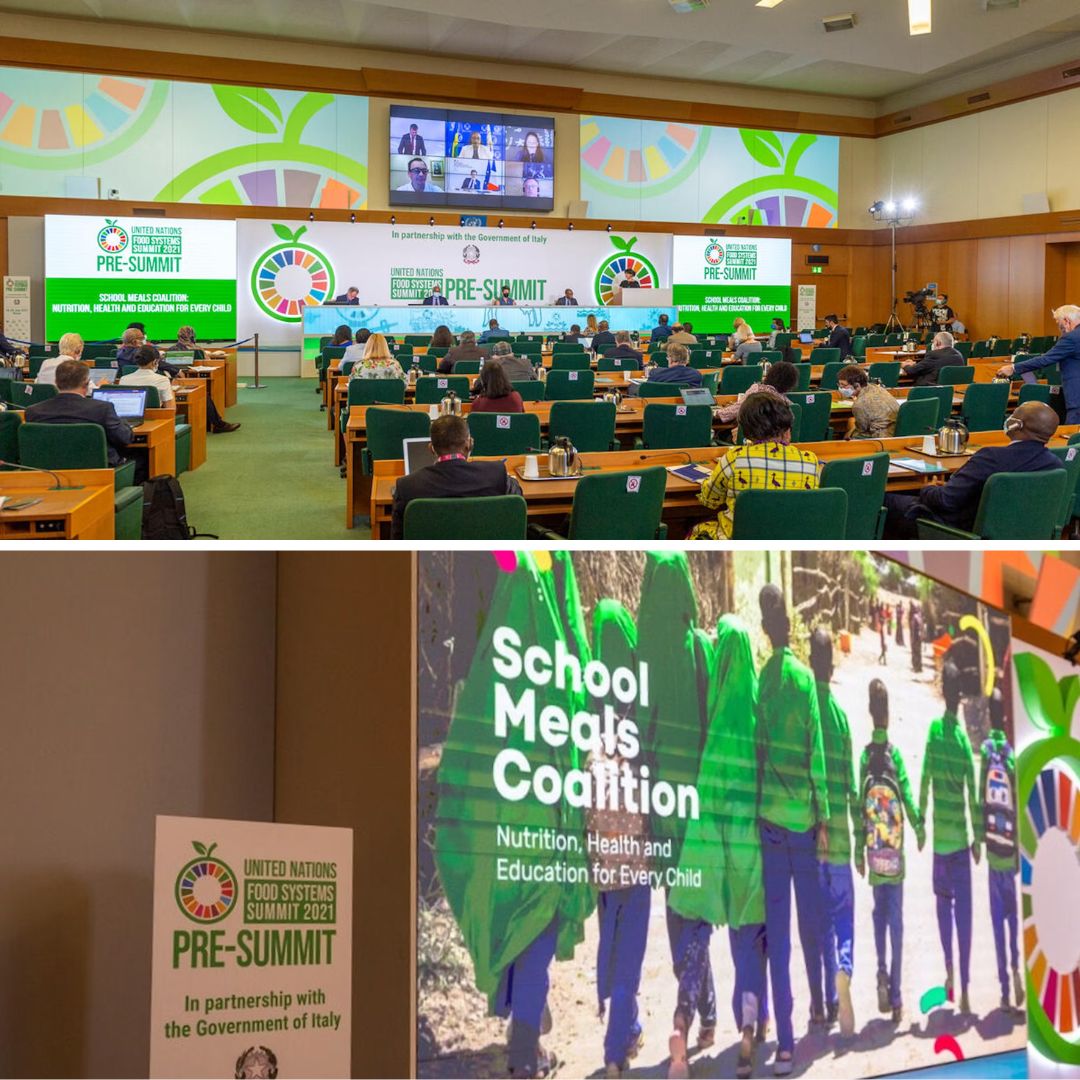
🌱 Launched at the 2021 UN Food Systems Summit, the @SchoolMeals_ Coalition now unites 109 countries & 140+ partners.
📈 Together, they leverage #SchoolMeals to boost nutrition, support local economies & transform #FoodSystems.
🔗 https://schoolmealscoalition.org/achievements-school-meals-coalition-inception-impact

knowledge visual

Suggested caption:

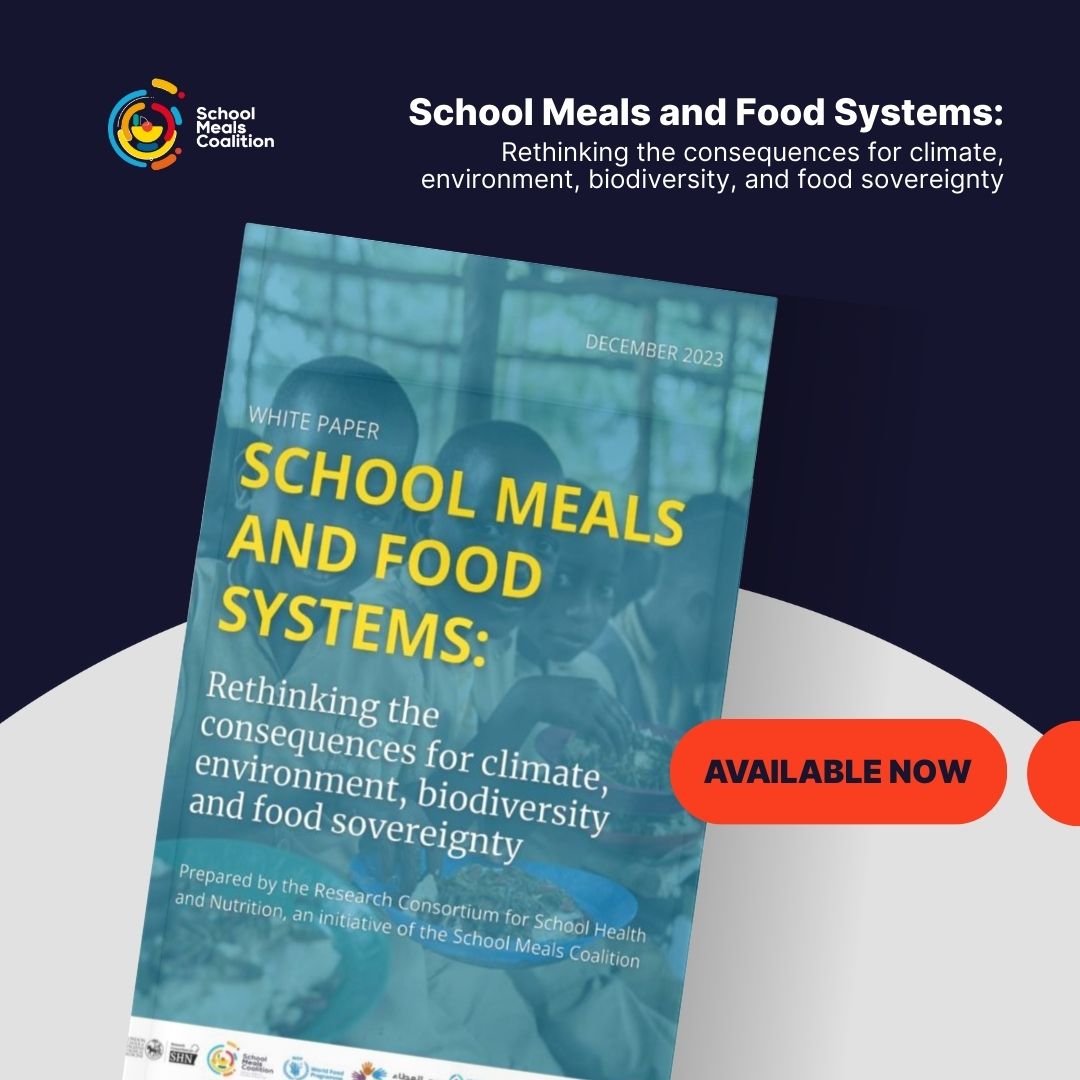
💡 Ahead of #UNFSS2025, learn how #SchoolMeals offer governments a concrete entry point to transform #FoodSystems as they:
🌾 Boost local farming
🏫 Drive public procurement
🍽️ Improve child nutrition
📘 Read the @SchoolMeals_ Coalition White Paper: https://schoolmealscoalition.org/school-meals-and-food-systems-rethinking-consequences-climate-environment-biodiversity-and-food

sfi-food systems

Suggested caption:

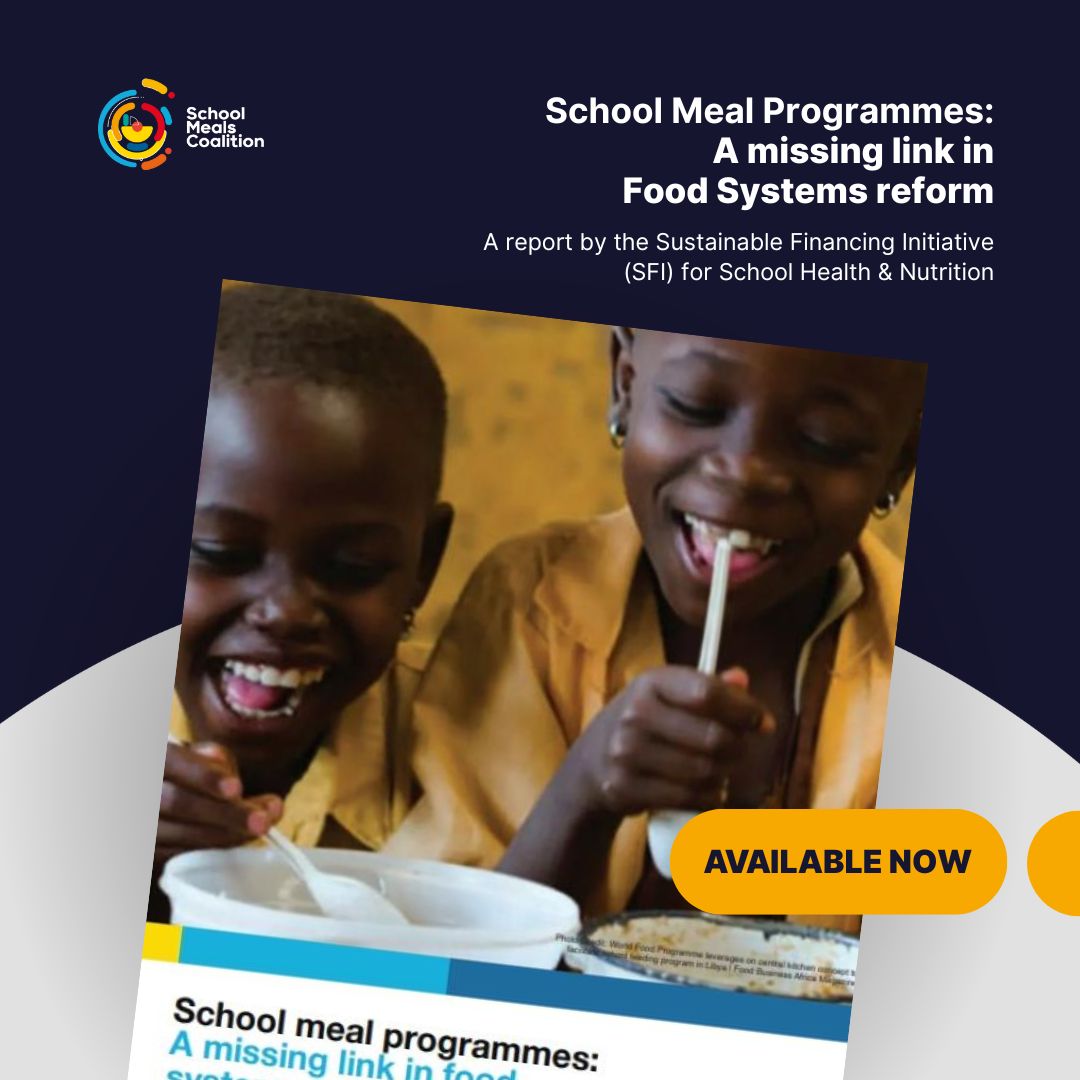
❓ How can #SchoolMeals strengthen local #FoodSystems as #UNFSS2025 approaches?
➡️ The @SchoolMeals_ Coalition’s Sustainable Financing Initiative explores:
🌾 Public procurement for smallholders
💪 Rural economies
🍽️ Child nutrition
📘 More: https://schoolmealscoalition.org/school-meal-programmes-missing-link-food-systems-reform