


- Increase the share of local agricultural products in school meals, reduce ultra-processed foods, and lower greenhouse gas emissions from school meal operations
- Strengthen the capacity of school meal staff to promote balanced nutrition and healthy dietary habits.
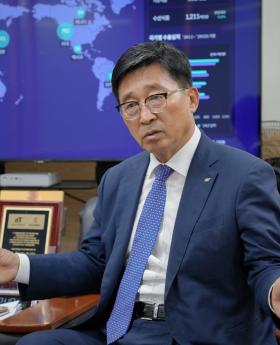
- Expand the use of the Support Electronic Agricultural Trade (SeaT) platform to ensure transparent procurement, efficient management, and provide operational data and lessons learned to support evidence-based decision-making internationally.
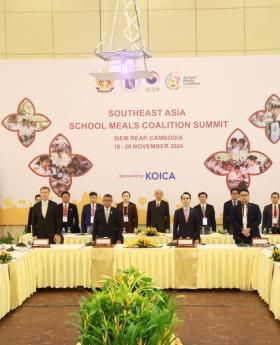
- Establish a public–private–academic consultative body to coordinate Korea’s engagement with the School Meals Coalition and the international school meals agenda.
- Develop a data-based performance management system that integrates student health indicators with environmental indicators
- Share experiences and cooperation models through ODA, South–South and triangular cooperation to help partner countries adapt Korea’s school meal system, which today provides free nutritious meals to nearly the entire school age population
Document