
- Approve the National School Feeding Strategy (ENAE 2025–2034) by 2026, strengthen the legal framework for school feeding, and establish a dedicated national budget line by 2034.
- Establish a school feeding resource mobilization mechanism, engaging government, the private sector, and development partners, including innovative financing solutions by 2029.
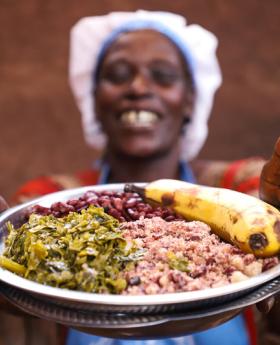
- Expand school meals coverage from 8% to approximately 25% of students by 2029, prioritizing food-insecure and vulnerable areas and reaching learners from Grades 1–9.
- Develop and operationalize an integrated digital monitoring and evaluation system to support evidence-based programme management and decision-making by 2027.
Document