
(Also available in Portuguese)
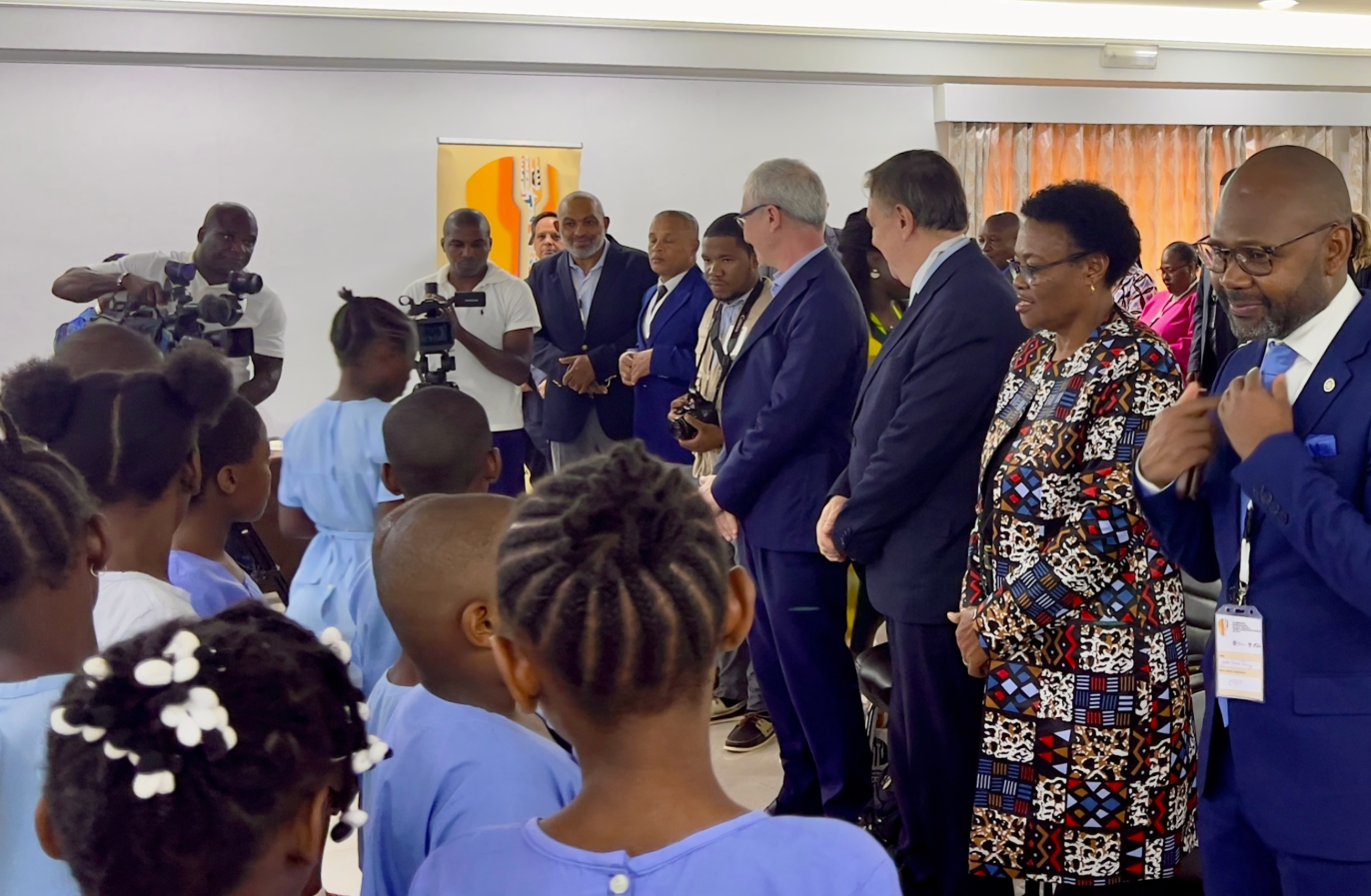
The “III International Seminar on Best Practices for School Meals in the CPLP” was held on December 3-4, 2024, at the Hotel Praia, concluding with the High-Level Conference on December 5, 2024 in São Tomé and Príncipe.
Participants included Ministers of Education from CPLP Member States or their representatives, high-ranking UN officials, and other partners. The conference was organized by São Tomé and Príncipe in its capacity as the CPLP’s current presidency, the CPLP Executive Secretariat, and the Federative Republic of Brazil as the host of the 2025 School Meals Coalition Summit and co-chair of the School Meals Coalition, with support from the World Food Programme (WFP) as the Secretariat of the School Meals Coalition. The event aimed to facilitate the exchange of experiences, best practices, knowledge, and information to strengthen school meal programmes among CPLP Member States, in alignment with the United Nations Sustainable Development Goals (SDGs).
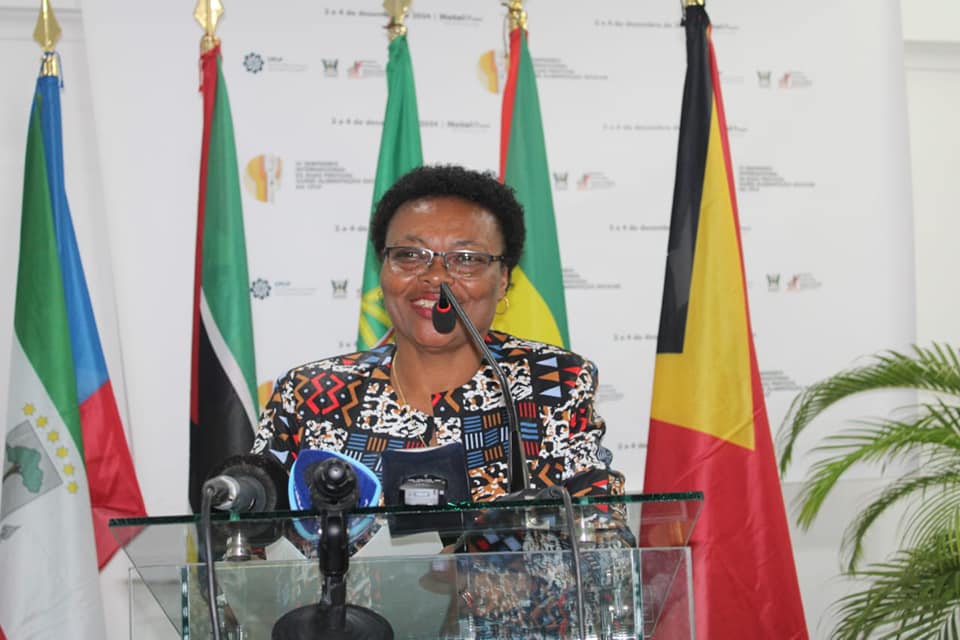
During this High-Level Conference, senior representatives from ministries of education from the member states of the Community of Portuguese Language Countries (CPLP) signed the declaration of commitment to the School Meals Coalition.
Representing the CPLP Executive Secretariat, João Ima-Panzo, Director of Cultural Action and Portuguese Language at the CPLP Executive Secretariat, emphasized:
"Today we reaffirm the CPLP's commitment to the nutrition, health, and education of our children, under the theme of Sustainable National School Meal Programmes: from Production to Consumption.”
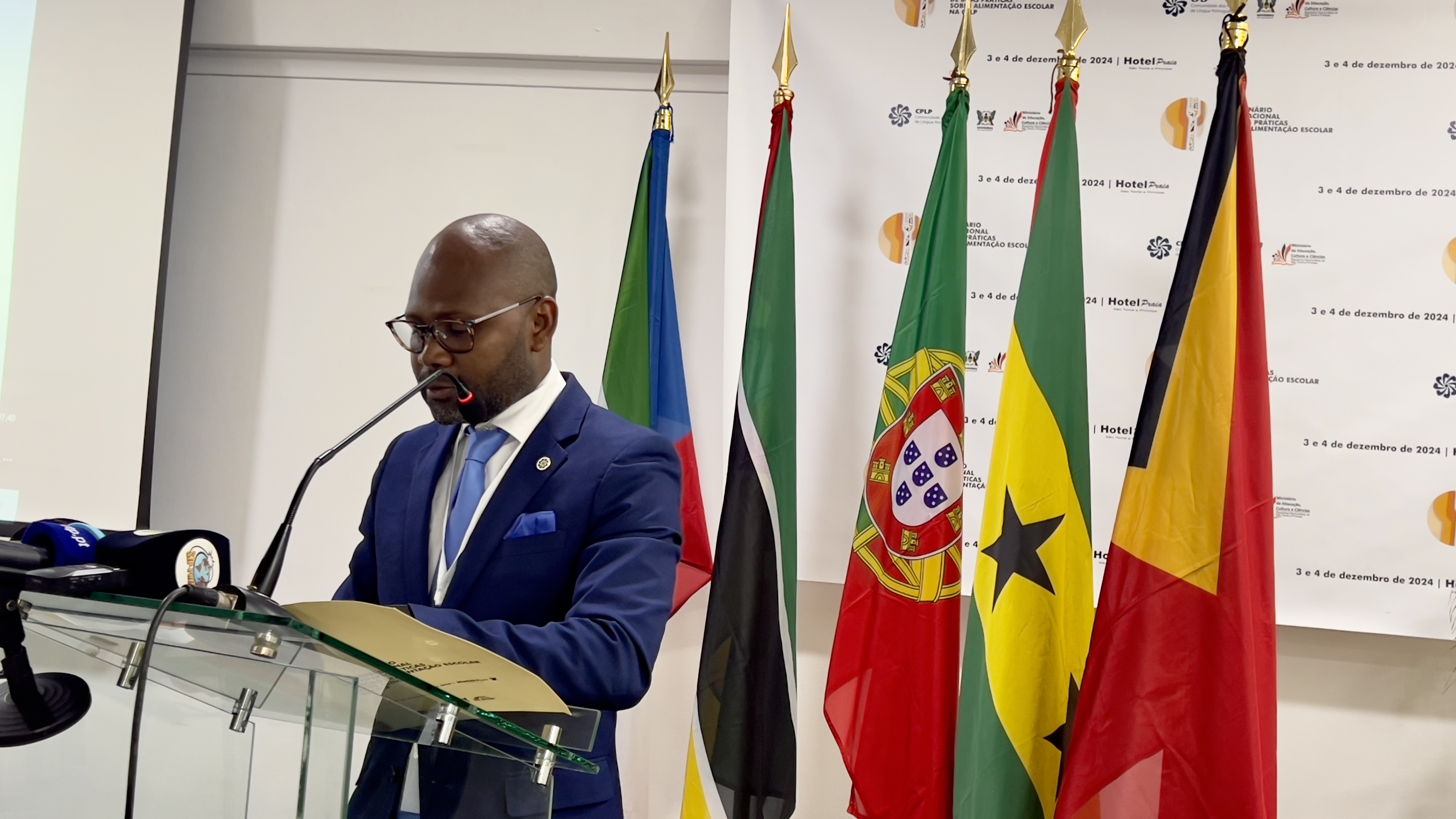
In the ceremony where the CPLP member states signed to join the global School Meals Coalition, Ima-Panzo highlighted:
"We reiterate the role of the Portuguese language as a tool to amplify our messages and reinforce our commitments in global dialogues. At a time when global challenges in food security and education require innovative and collaborative responses, we reaffirm the transformative power of sustainable school meals. These programmes not only ensure a nutritious meal but also foster education, reduce social inequalities, and promote family farming, creating direct impacts on local communities."
He further noted:
"While many of our member states are already individual members of the School Meals Coalition, the collective adherence of the CPLP sends a clear message: we stand united in the fight against hunger and in promoting conditions that ensure a healthy childhood and a promising future for our children and youth."
Sustainable school meals were described as:
"More than a concern; they are a transformative practice at the core of public policies in our countries. With this commitment, we assume mutual responsibilities, including technical support, resource mobilization, rigorous monitoring based on credible indicators, and multilateral oversight,"
The High-Level Conference for the launch of the School Meals Coalition took place on December 5, 2024, as part of the “III International Seminar on Best Practices for School Meals in the CPLP”, held in São Tomé from December 3 to 5, 2024, in a hybrid format (in-person and virtual).