• Restore the level of children who received food in schools before the pandemic, 1.3 million children, by 2022.
• Update the legal, political and institutional framework to achieve the national objectives for food and nutrition security, including the school feeding programme.
• Continue to use public schools as central hubs for nutrition access, increasing school feeding coverage through local procurement and improving school infrastructure, prioritising clean water, renewable energy and connectivity.
Taskforce
Honduras
Member since
Honduras has made important progress in strengthening its school meals programme through expanded coverage, stronger partnerships, enhanced multisectoral coordination and progress toward a National School Feeding Policy. The country has also advanced integrated approaches linking school meals with health, nutrition, local food systems and school infrastructure improvements, while increasing engagement with development partners to support programme implementation and sustainability.
1.22 Million
Total children receiving school meals
1.07 Million
Children enrolled in primary school
29.33 Million
Total investment in school meals (USD)
Figures reflect the latest available data from the State of School Feeding Worldwide report, national reporting and global sources. Governments may update data more frequently, so values may differ from most recent national statistics. Reference year, source and further details are available in the School Meals Coalition Global Database.
National Commitments
Commitment submitted on
Declaration signed by
the Secretary of State in the Office of Social Development
Commitment submitted on
Document
National Progress Reports
Reporting year
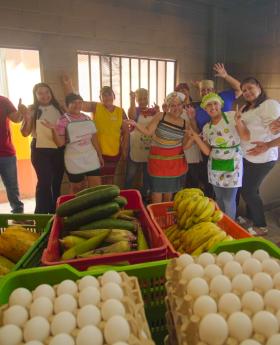
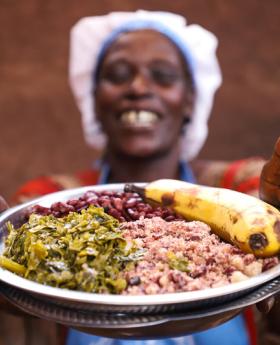
- Reaching more than 1.3 million students in 21,000 public schools with nutritious rations, of which more than 90% are locally sourced.
- Consolidated model supported by more than 20,000 volunteer parents in School Feeding Committees that have strengthened local ownership, transparency, and accountability.
- Political leadership that is transforming the programme into a comprehensive public policy that will strengthen its viability over time.
Programme Design and Coverage
- Reaching more than 1.3 million students in 21,000 public schools with nutritious rations, of which more than 90% are locally sourced.
- Consolidated model supported by more than 20,000 volunteer parents in School Feeding Committees that have strengthened local ownership, transparency, and accountability.
- Political leadership that is transforming the programme into a comprehensive public policy that will strengthen its viability over time.
Policy
- Honduras has advanced the development of a National School Feeding Policy, with a final draft prepared under the leadership of the Ministry of Social Development.
Financing
- Honduras has strengthened engagement with financing partners, including the Inter-American Development Bank, to address food insecurity in schools across 74 municipalities of the Dry Corridor, supporting more than 275,000 children.
Governance and Coordination
- Honduras has strengthened multisectoral coordination through partnerships across the education, health and rural development sectors, supporting school meals, school gardens and food and nutrition security initiatives.
Advocacy and Partnerships
- Honduras has expanded collaboration with the World Food Programme, the Food and Agriculture Organization, Partners of the Americas and other partners to support implementation of the National School Feeding Programme.
Next steps
- Roll out fresh food rations and school milk through inter-municipal associations to decentralize programme implementation and strengthen local food systems.
- Complete the assessment of school conditions nationwide to guide infrastructure improvements and programme planning.
- Develop and implement tailored strategies to improve access to school meals and related services for children and young people with disabilities.