


Document
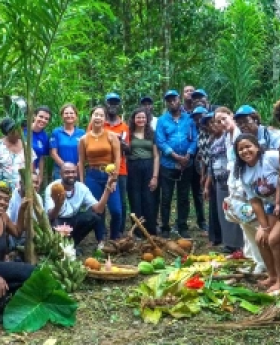
- Brazil will expand initiatives with students, educators, and families to address environmental education, sustainable agri-food systems, and healthy eating practices. These efforts aim to reduce food waste, highlight the role of family farming, and promote sustainable agricultural practices.
- Brazil commits to increasing the participation of family farmers in the National School Meals Program (PNAE), focusing on Indigenous Peoples and traditional communities. This includes raising the minimum financial resources allocated to family farmers and simplifying registration processes to enhance their participation.
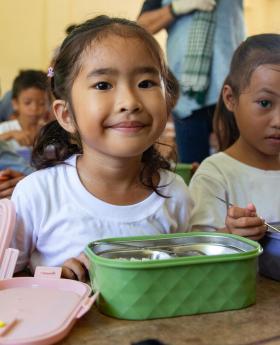
- Brazil will reduce food waste in school meal programs through professional training, improved infrastructure for food storage, ecological pest control, and monitoring food purchases to prevent waste. Sustainable disposal methods such as composting will also be encouraged.
- Brazil will promote campaigns to raise awareness about the risks of ultra-processed foods and encourage the consumption of fresh, minimally processed foods. These campaigns will emphasize the social and cultural value of eating and its role in disease prevention.
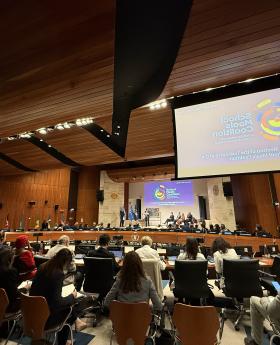
- Brazil will share its expertise in school meals through the Brazilian Cooperation Agency (ABC/MRE) with interested School Meals Coalition members. As the leader of the Sustainable School Meals Network (RAES) with 26 countries in Latin America and the Caribbean, Brazil is committed to strengthening engagement with the Coalition and facilitating experience sharing.
Document