
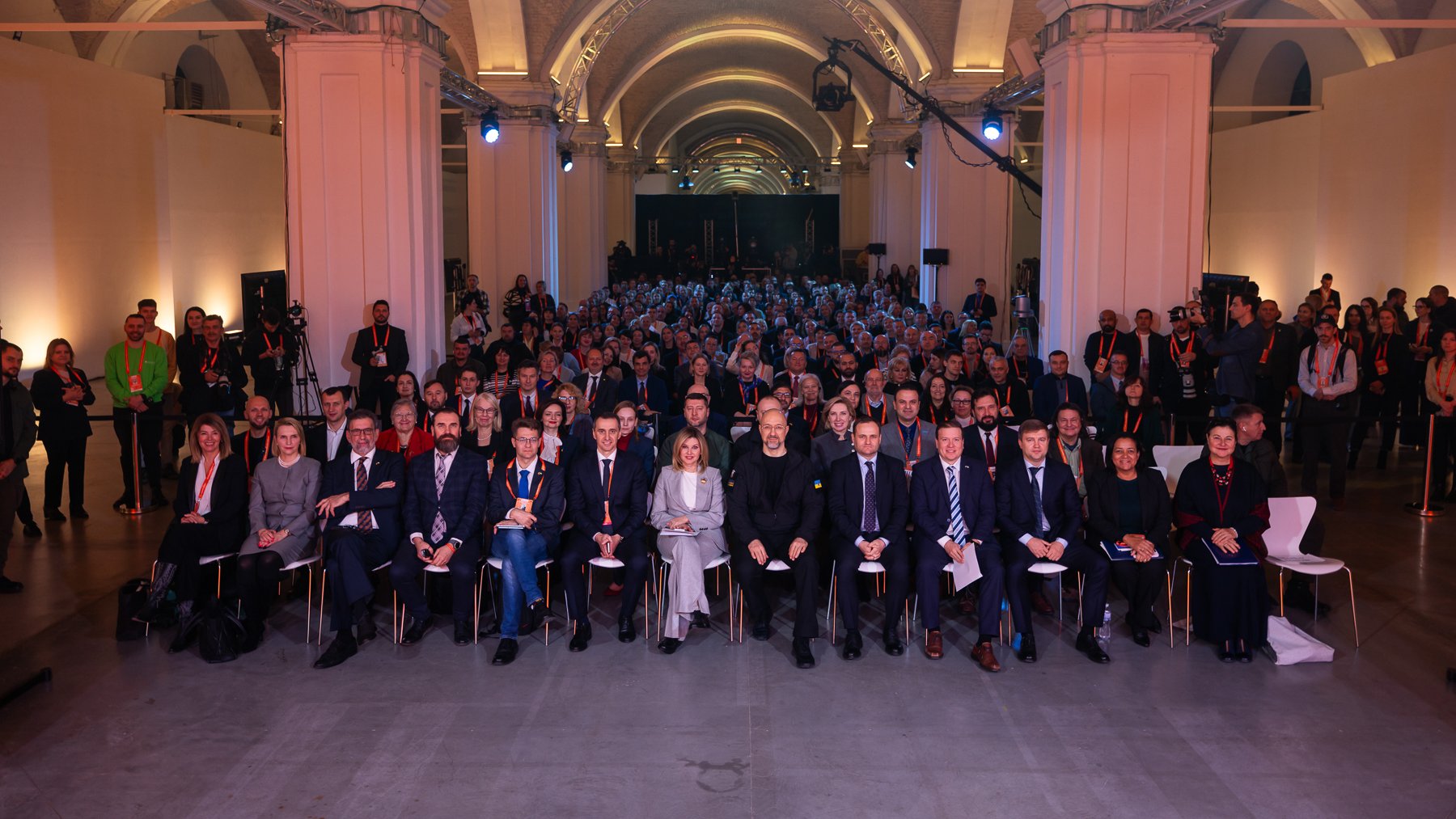
KYIV, 14 November 2024 – Ministers and high-level representatives from across Europe gathered in Kyiv this week to attend the European Regional School Meals Summit, hosted by the Government of Ukraine, with the support of First Lady Olena Zelenska, and within the framework of the School Meals Coalition – a global network of over 100 national governments and 130 partners. The two-day summit, attended by over 20 governments representatives across multiple sectors, underscored the region’s dedication to a shared mission: ensuring that every child worldwide has access to nutritious meals by 2030.
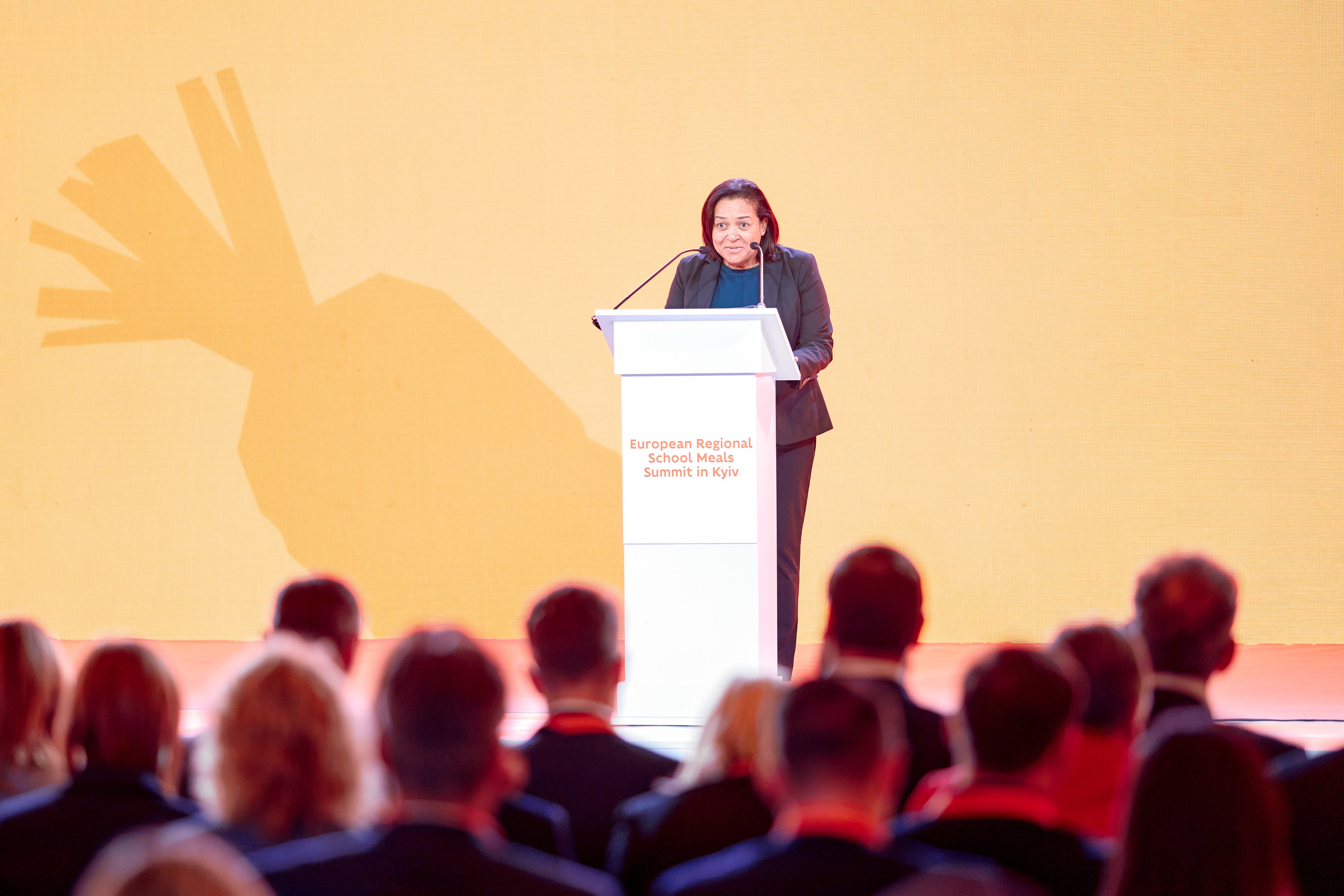
“Ukraine is going through a difficult period and its commitment to making school meals for all children a priority, including hosting this important event for Europe, is truly remarkable,” said Valerie Guarnieri, WFP Assistant Executive Director. “School meals bring powerful, multi sectoral solutions and are an investment in the future. As Secretariat of the School Meals Coalition, WFP commits to supporting country leaders, in Europe and around the world, to ensure that every child receives a healthy, nutritious meal in school by 2030.”
The summit’s discussions showcased a powerful vision for the future of school meal programmes across Europe and beyond. Government representatives and partners prioritized strengthening multi-sectoral partnerships, sustainable financing, and collaboration to make school meals a catalyst for development, resilience, and children’s physical and mental well-being. Leaders united around bold strategies to position school meals as essential to community health, education, and economic strength, championing innovative financing, robust partnerships, and cross-sectoral cooperation. Discussions focused on school meals as tools to bridge social divides, build sustainable food systems, and drive human capital development. Participants pledged to establish data-driven frameworks and mobilize technical and financial support across national and regional levels,
According to the State of School Feeding Worldwide Report, approximately 55 million children in Europe and Central Asia receive school meals, with coverage of school meal programmes in the region rising from 75% in 2013 to 82% in 2020. With over a century of leadership in school meals, Europe has been at the forefront of efforts to ensure nutritious meals are offered in schools, setting global standards for quality and reach. Today, 18 European countries are members of the School Meals Coalition, working to advance sustainable food sourcing, improve nutrition standards, and implement innovative financing strategies to scale and enhance national programmes worldwide. Europe’s leadership in school meal initiatives extends globally, with European countries providing essential financial and technical assistance to low- and middle-income nations striving to establish or expand their own programmes.
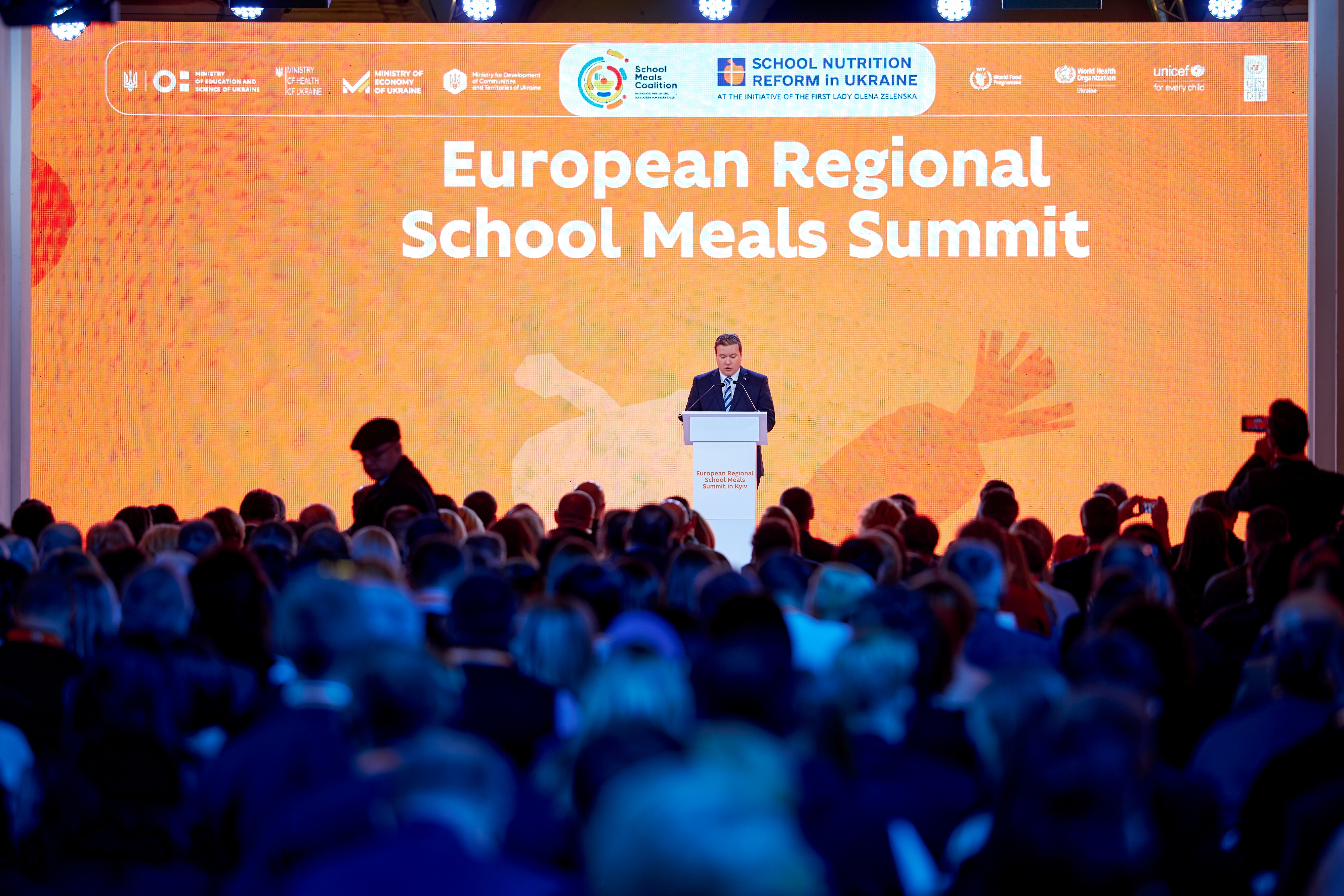
“School meals are a powerful investment in our collective future,” said Minister Ville Tavio, Finland's Minister for Foreign Trade and Development, and co-chair of the School Meals Coalition. “By driving forward sustainable, forward-looking school meals policies, we are one step closer to a future where no child is left behind, in Europe, and around the world.”
European cities took centre stage as the summit highlighted the pivotal role of cities and municipalities in advancing school meal programmes at the grassroots level. Six Ukrainian municipalities—Kropyvnytskyi, Zhytomyr, Brovary, Zaporizhzhia, Sheptytskyi, and Ivano-Frankivsk—joined the Milan Urban Food Policy Pact and the School Meals Coalition’s Cities Feeding the Future initiative, alongside 300 other cities and mayors around the world who are committed to enhancing local governance and fostering sustainable food systems through collaborative efforts.
As the host of the European Regional School Meals Summit, Ukraine is committed to establishing a robust and resilient national school meals programme that supports the health and well-being of its children. Launched in 2020 by First Lady Olena Zelenska, Ukraine’s School Nutrition Reform has become central to the country’s recovery and development.
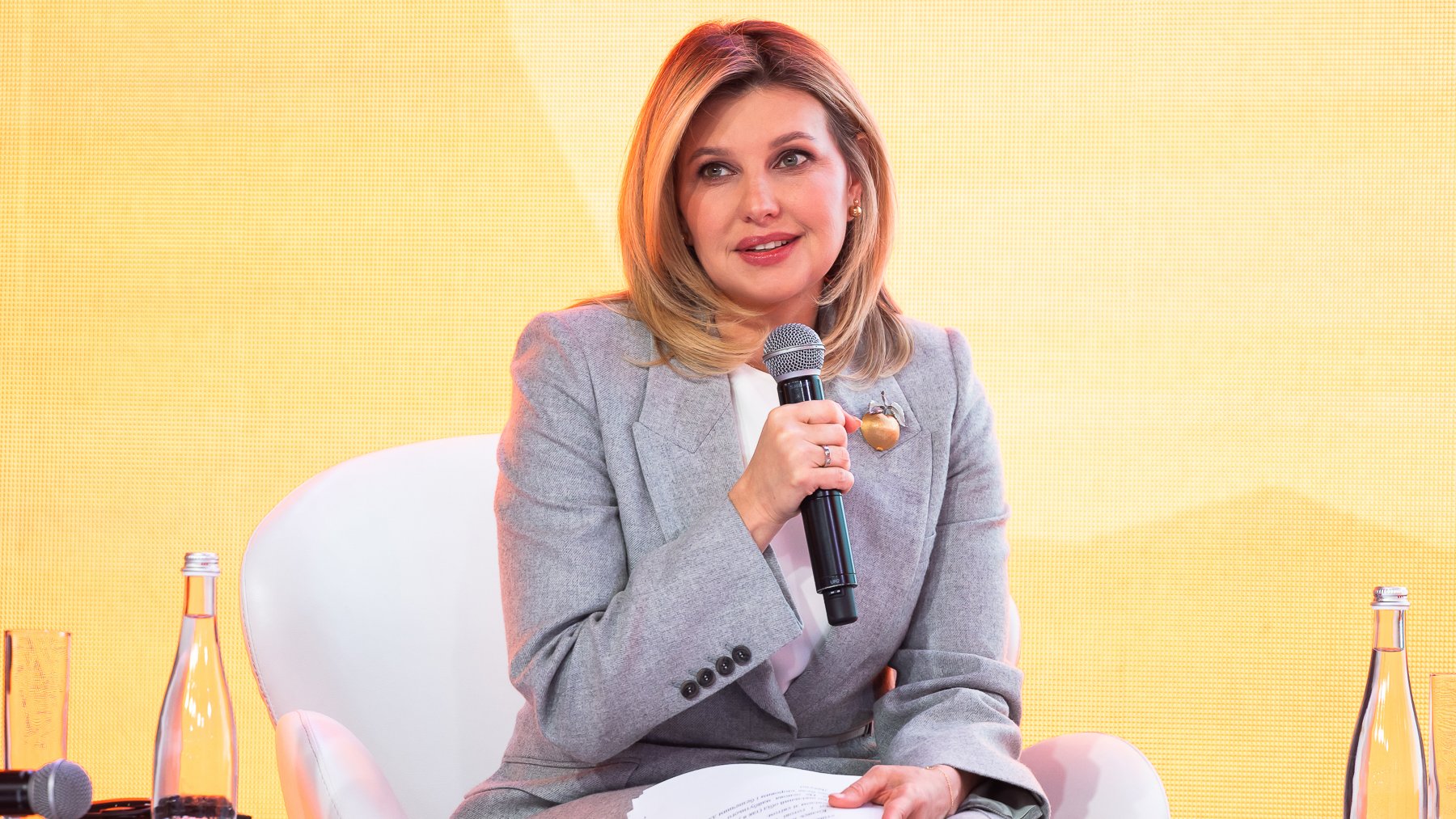
“Food is a significant factor in academic and life success. That’s why we first brought many different institutions together at one table: the Ministry of Health, the Ministry of Education and Science, the Ministry of Economy, representatives of civil society organizations, including nutrition experts, chefs, doctors, nutritionists, and dietitians —and we started taking action, step by step” said Olena Zelenska, the First Lady of Ukraine
“Food is a significant factor in academic and life success. That’s why we first brought many different institutions together at one table: the Ministry of Health, the Ministry of Education and Science, the Ministry of Economy, representatives of civil society organizations, including nutrition experts, chefs, doctors, nutritionists, and dietitians —and we started taking action, step by step” said Olena Zelenska, the First Lady of Ukrainespeaking about Ukraine’s experience and the beginning of the School Nutrition Reform in 2020. In the 2023-2024 school year, WFP supported Ukraine’s national school meals programme by contributing to daily meals for 90,000 children in 700 schools in the country. Working together, the goal is to extend WFP’s support to 180,000 children in 1,700 schools in the coming year.