
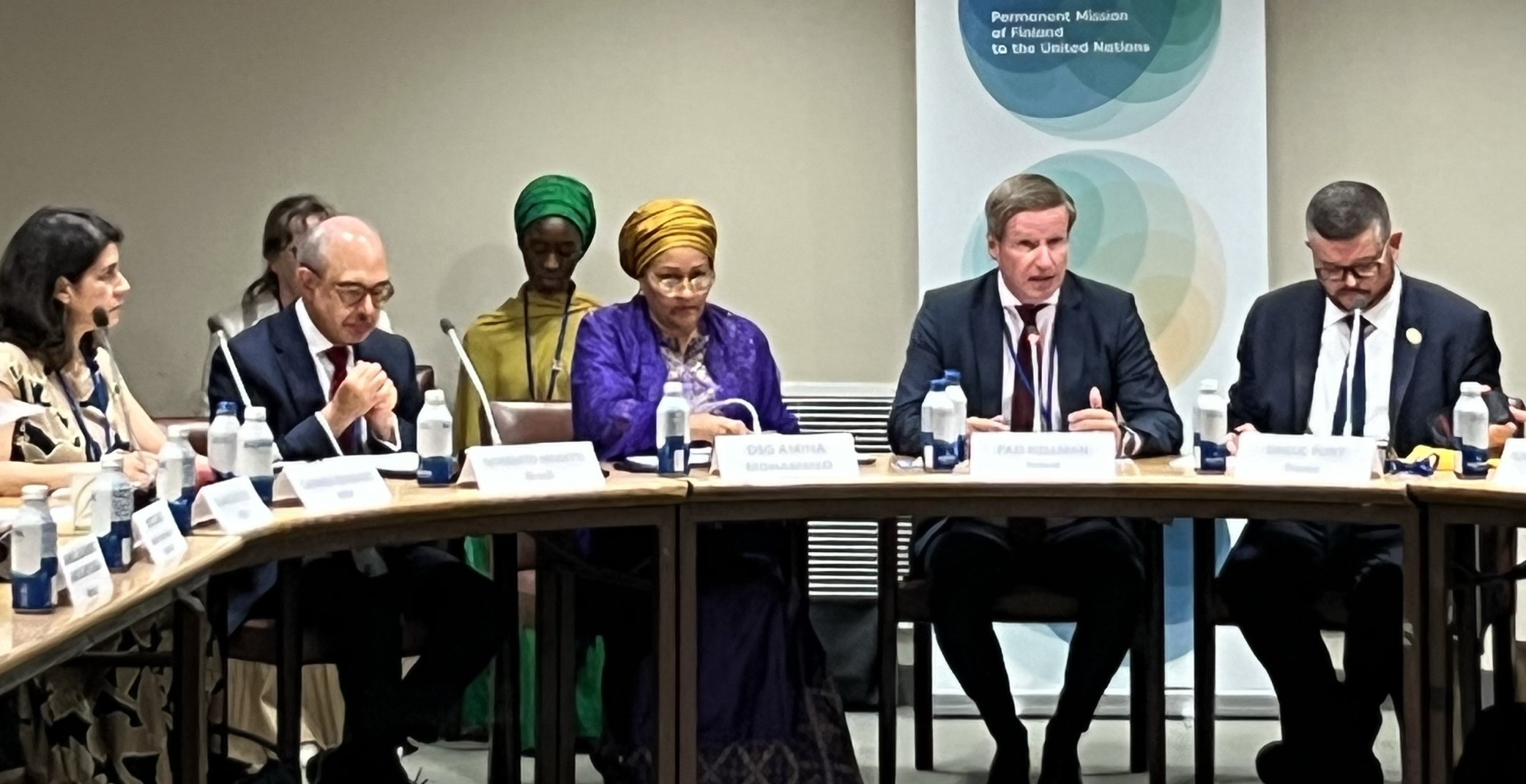
On 12 July, leaders from Finland, Brazil, and France, as well as Coalition partners, gathered at the UN Headquarters for the High-Level Political Forum event, Investment in the Future: School Meals for Sustainable Development. Discussions explored the expansion of school meal programmes, reaching 418 million children in 2022, up from 388 million in 2020, with a $5 billion increase in national budget investments, underscoring their critical importance.
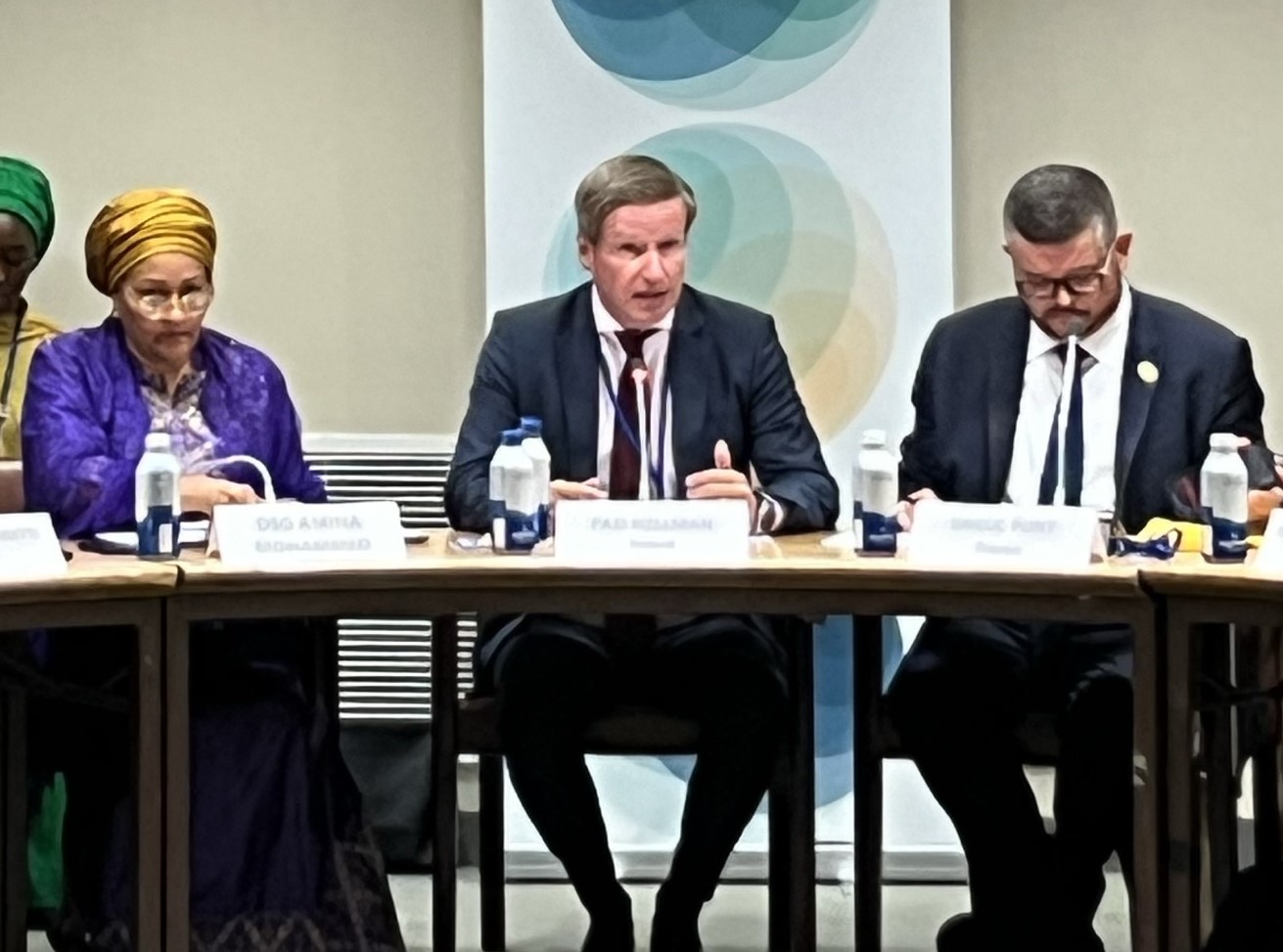 Pasi Hellman, Under-Secretary of State for International Development, Finland: "The School Meals Coalition's success is built on a comprehensive, multisectoral approach that fosters collaboration among diverse stakeholders."
 ️ H.E. Ms. Amina Mohammed, Deputy Secretary-General of the United Nations: "SchoolMeals can be powerful, cost-effective programmes to drive progress across multiple #SDG’s. The Coalition is showing the way to a new kind of partnership that is driven by country leadership, breaking the logic of 'north' and 'south' or 'donor' and 'recipient'. "
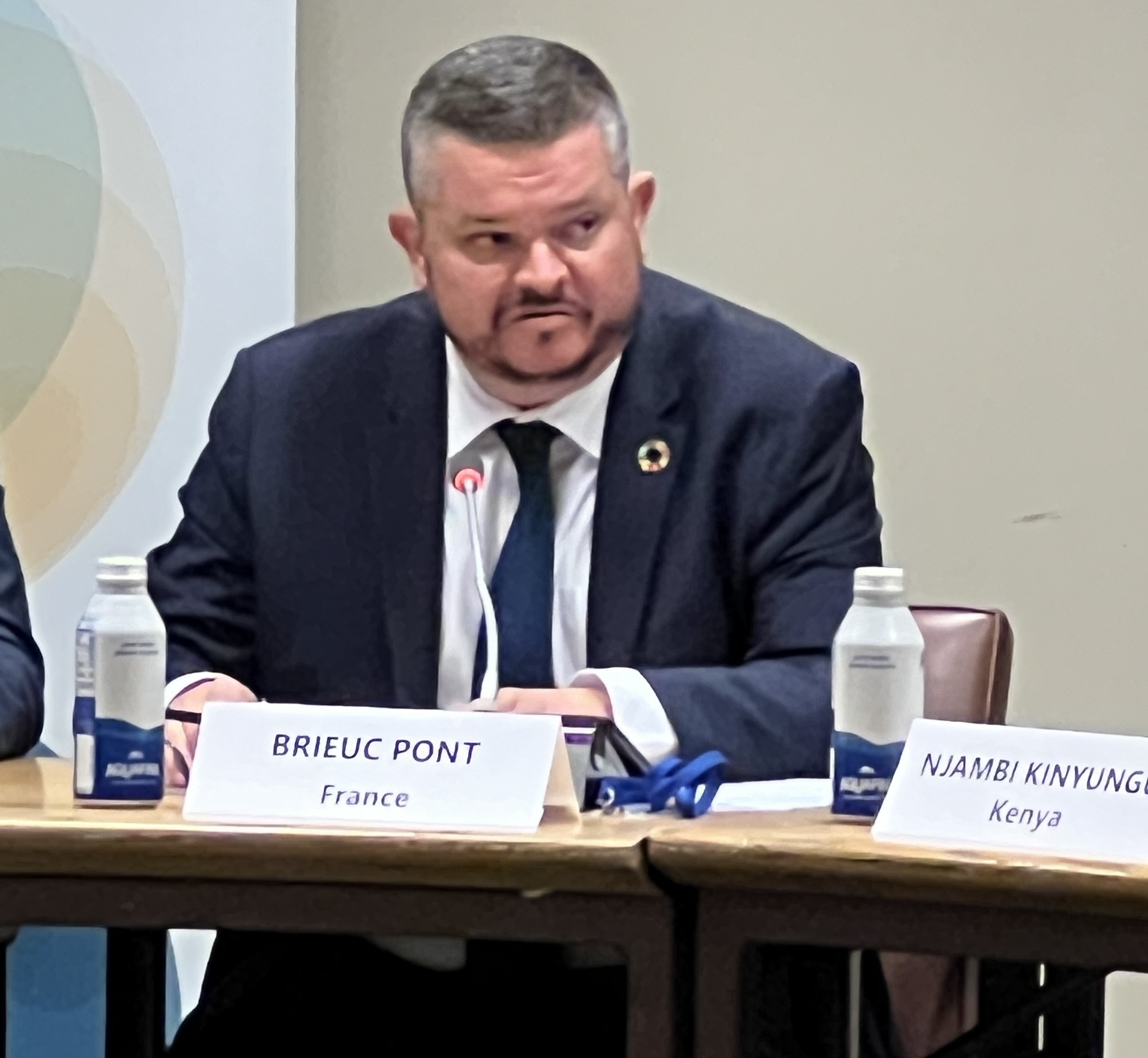 Brieuc Pont, France’s Special Envoy of the Minister for Nutrition and Secretary General of the "Nutrition for Growth"
"Keeping children's stomachs full at school is one thing, to give them nutritious meals is another. #SchoolMeals programmes can have social & intergenerational benefits. That's why we need to work together to foster the political will to ensure every child has access to them."
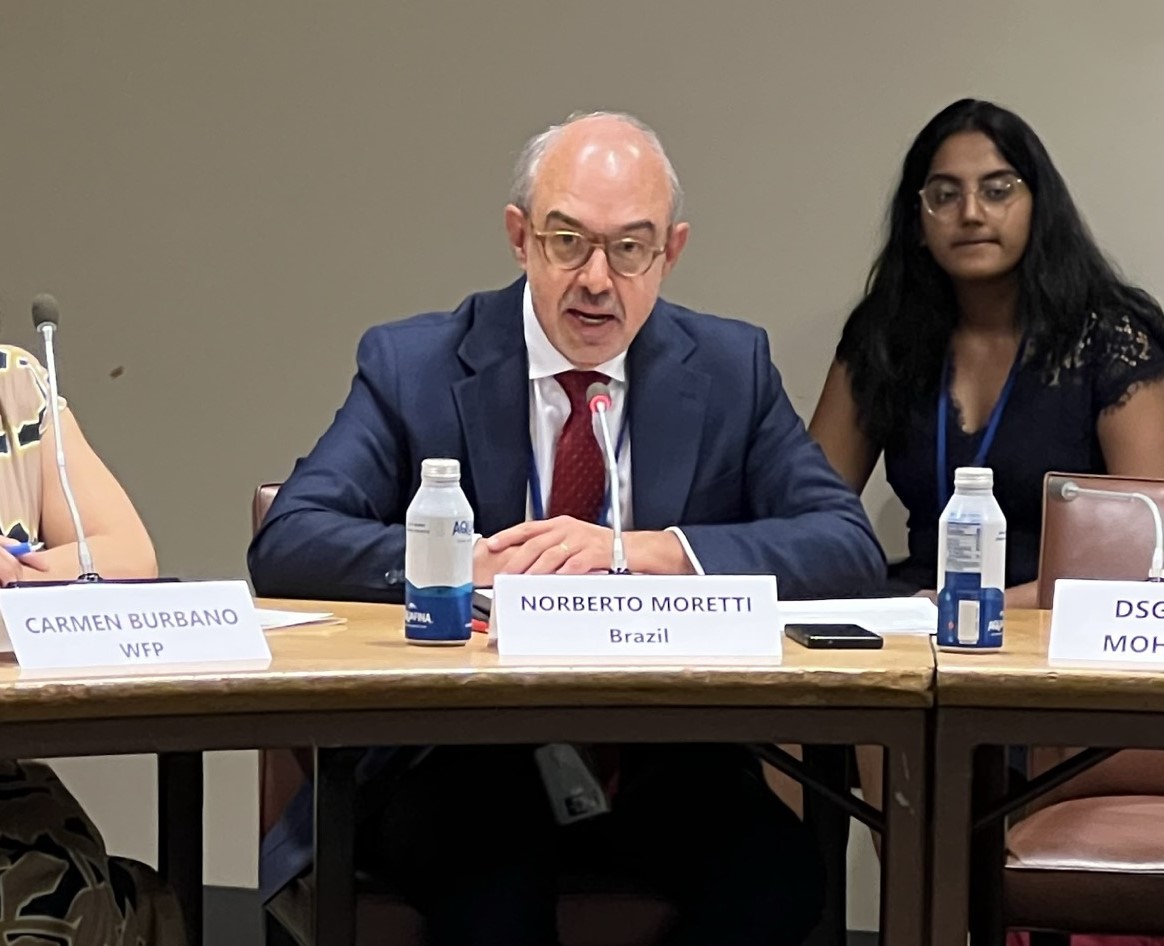 Norberto Moretti, Deputy Permanent Representative of Brazil to the UN:
"Through our global alliance, we can truly amplify efforts to help governments provide nutritious school meals programmes. We need to connect initiatives and find adaptable solutions for knowledge, financing, and partnerships."
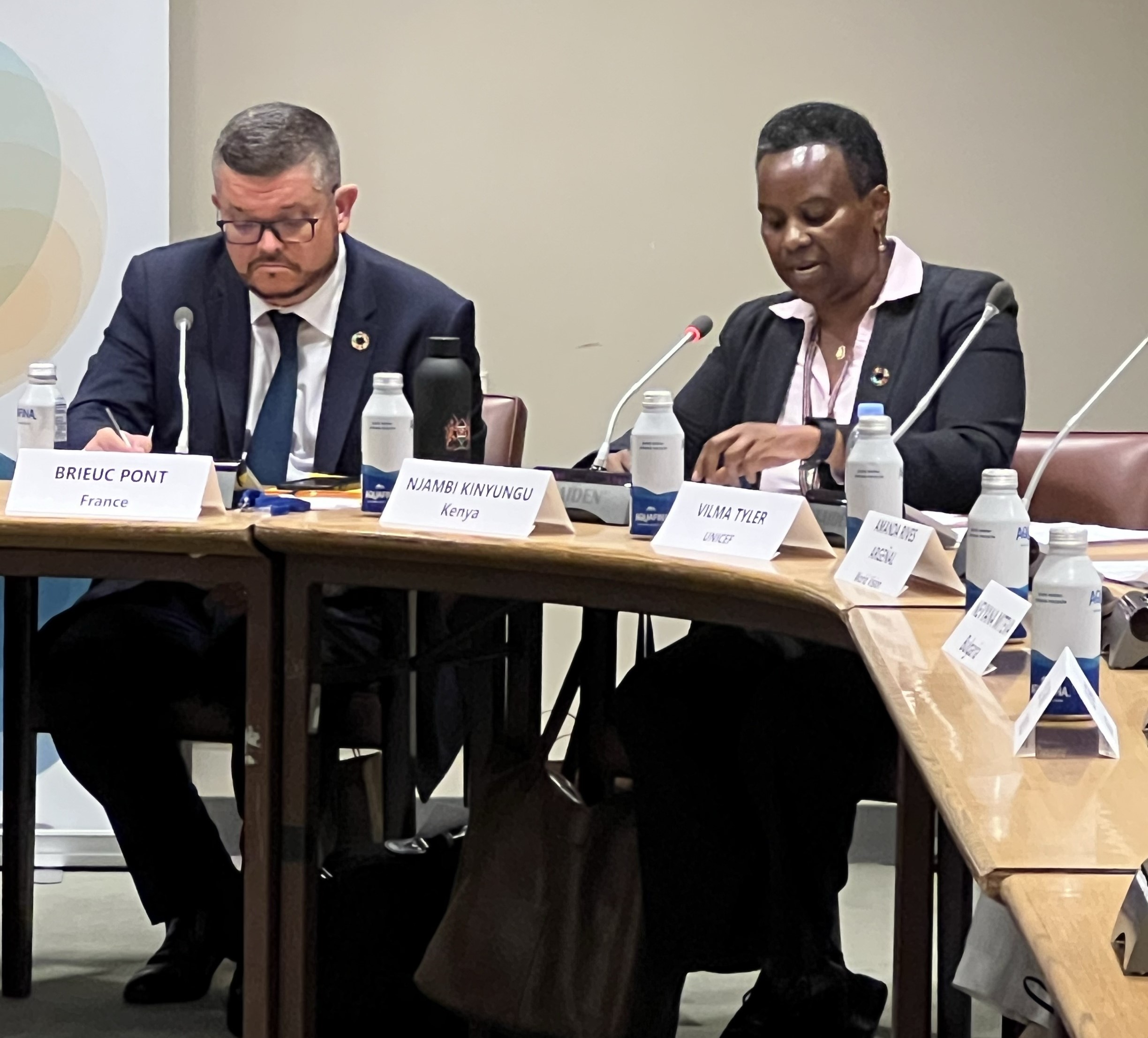 H.E. Ms. Njambi Kinyungu Ambassador, Deputy Permanent Representative of Kenya to the UN
"Kenya aims to extend its school meals programme to reach more schools across the country, particularly in the marginalized and drought-prone areas to ensure that all children regardless of their location can have access to nutritious meals that are prepared with local sourced ingredients. To achieve this, we are prioritizing developing a financing plan which will guarantee the structural sustainability of the programme. We are also leveraging the funds to transition to clean cooking and apply solutions that enable us to tap into carbon credit markets to mobilize additional funding for the school meals programme."
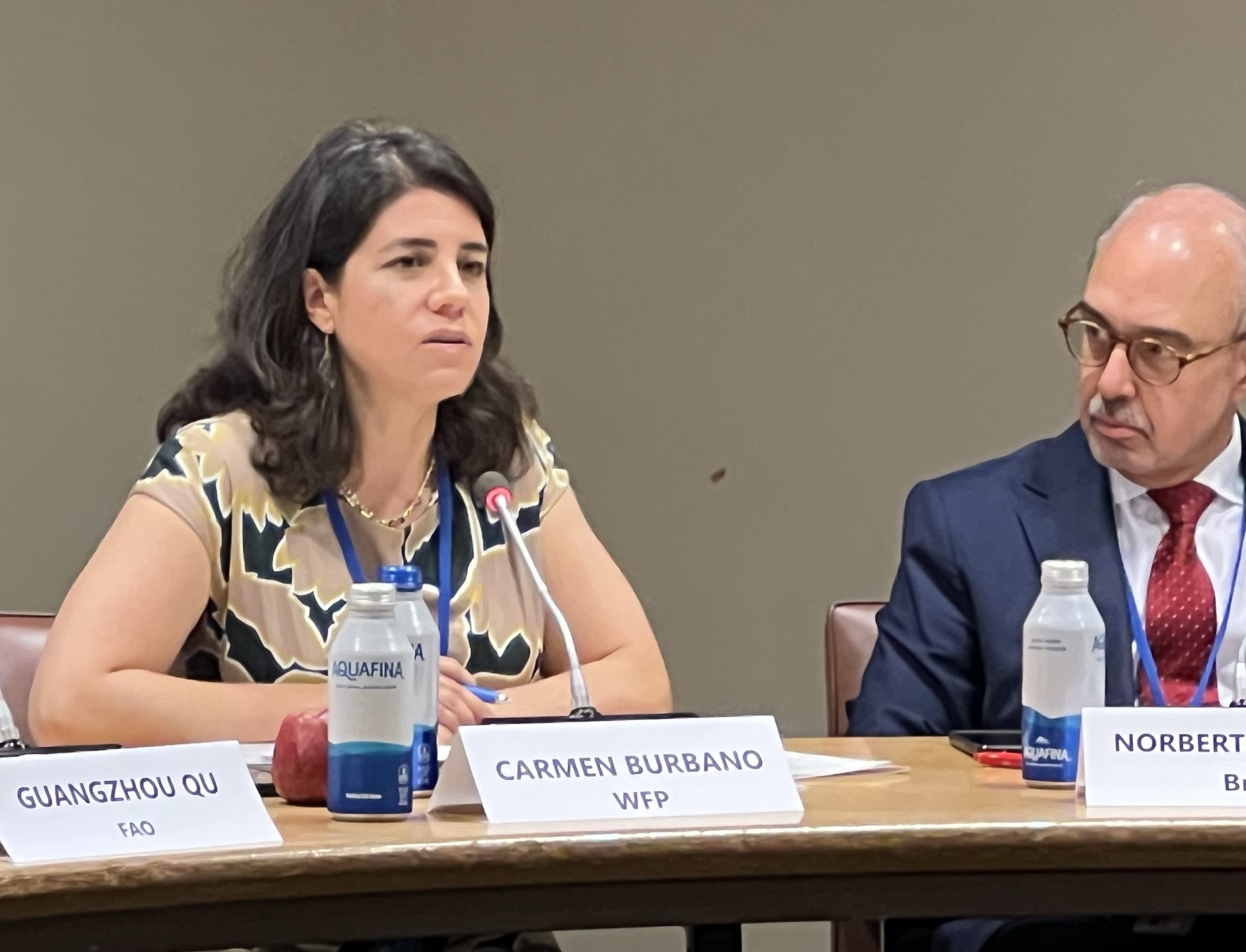 Carmen Burbano, Director of School Meals and Social Protection Service, WFP and Director of the School Meals Coalition Secretariat:
"In today's fragmented world, school meals provide a rare, unifying priority for 98 countries, including leaders like President Macron, President Lula, and President Ruto. This coalition drives multisectoral collaboration, ensuring programmes span agriculture, education, and health. These programmes, already successful in countries like Finland and France, now reach over 480 million children globally. This is a powerful policy lever, influencing food procurement and promoting sustainable development through leveraging diverse partnerships, uniting UN agencies, civil society, and NGOs.”
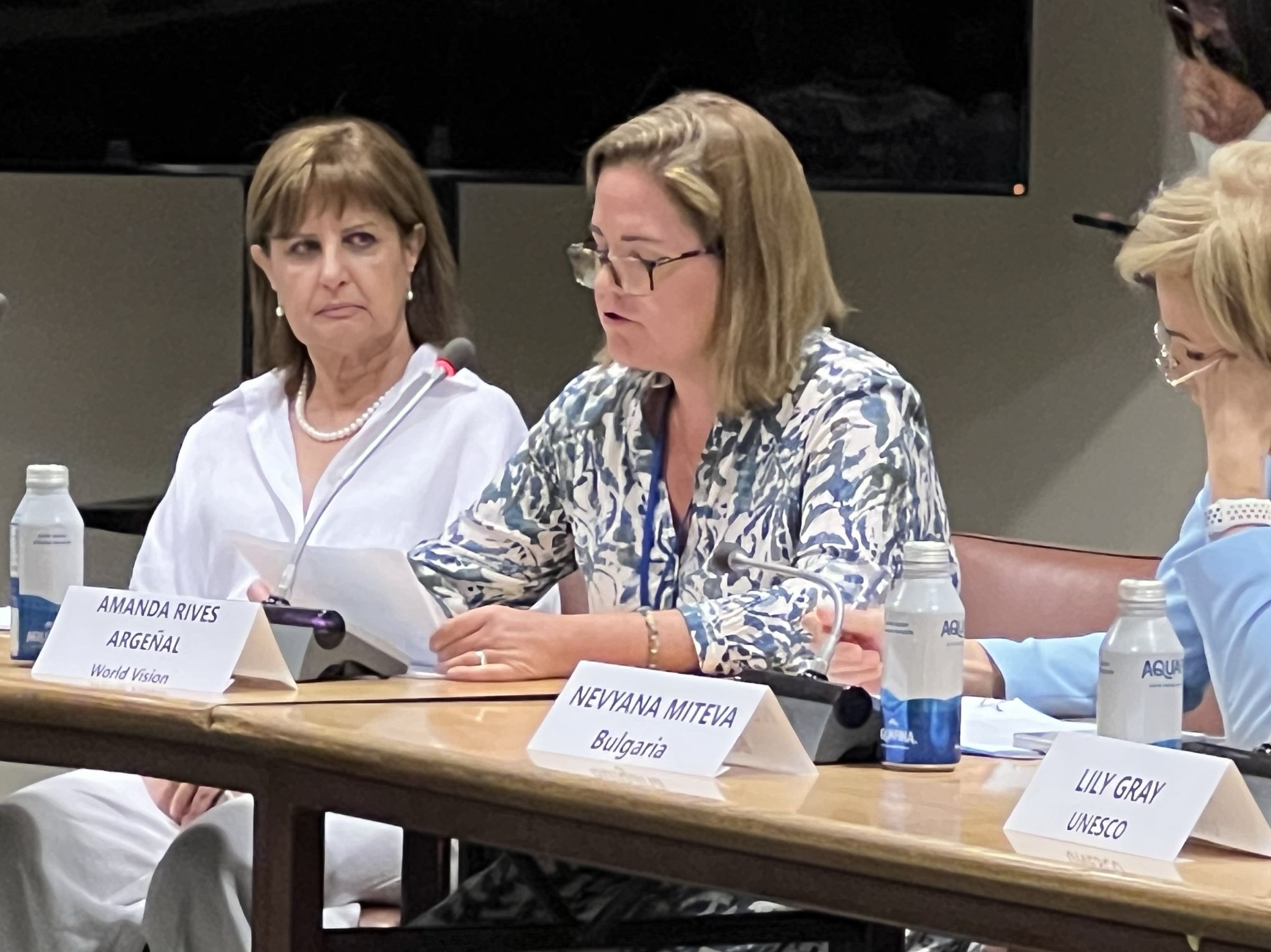 Amanda Rives Argeñal, Senior Director, External Engagement and Resource Development, Disaster Management, World Vision:
"School meals are the biggest social safety net, crucial in our world of conflict, economic turmoil, and climate impact, especially for the most vulnerable children. Despite price shocks and rising hunger, these programmes remain a critical lifeline, ensuring health, nutrition, and education. In fragile places like Sudan and Haiti, they enable children to keep learning. Thousands of CSOs and NGOs support the #SchoolMeals Coalition. Together, we must bridge gaps and ensure every child has access to nutritious meals."
 Guangzhou Qu, Director of the FAO Liaison Office in New York:
"School meal programmes have the potential to enhance agri-food systems and achieve social, economic, and environmental outcomes. A coordinated approach is essential. Defining food procurement and promoting sustainable value chains are key. Meeting nutrition standards and supporting local communities are crucial. By acting collectively, we can support children's right to food and transform agri-food systems for better production, nutrition, and environment."
️ 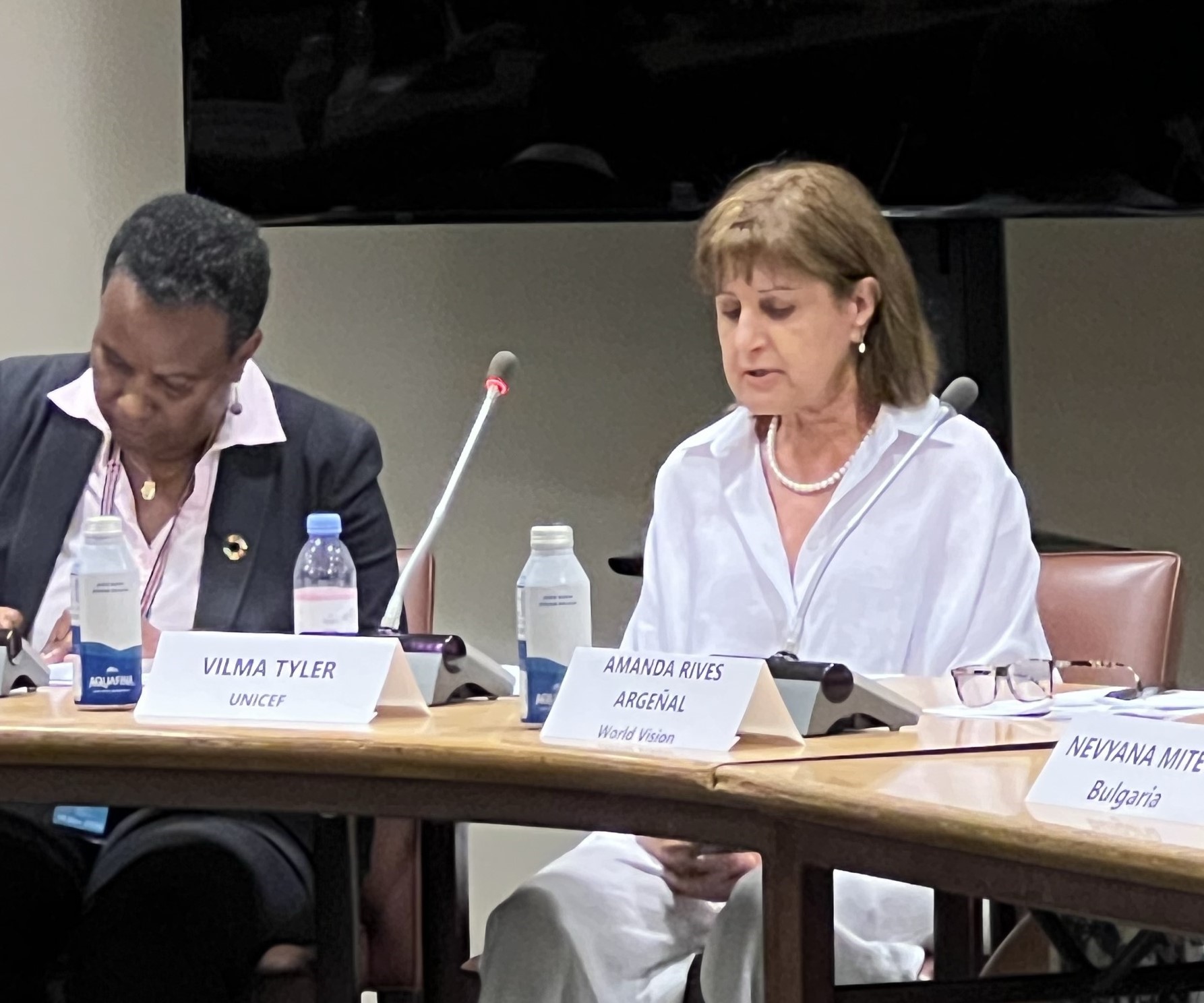 Vilma Tyler, Senior Advisor, UNICEF:
"Children face a triple burden of malnutrition: undernutrition, micronutrient deficiencies, and rising obesity. Comprehensive #SchoolMeals programmes are more effective than individual interventions, promoting good nutrition and healthy habits. Key components include diverse meals, safe water, hygiene facilities, nutrition education, and regulation of unhealthy food marketing. We're supporting 90 countries with many partners to implement evidence-based programmes in schools and communities.”
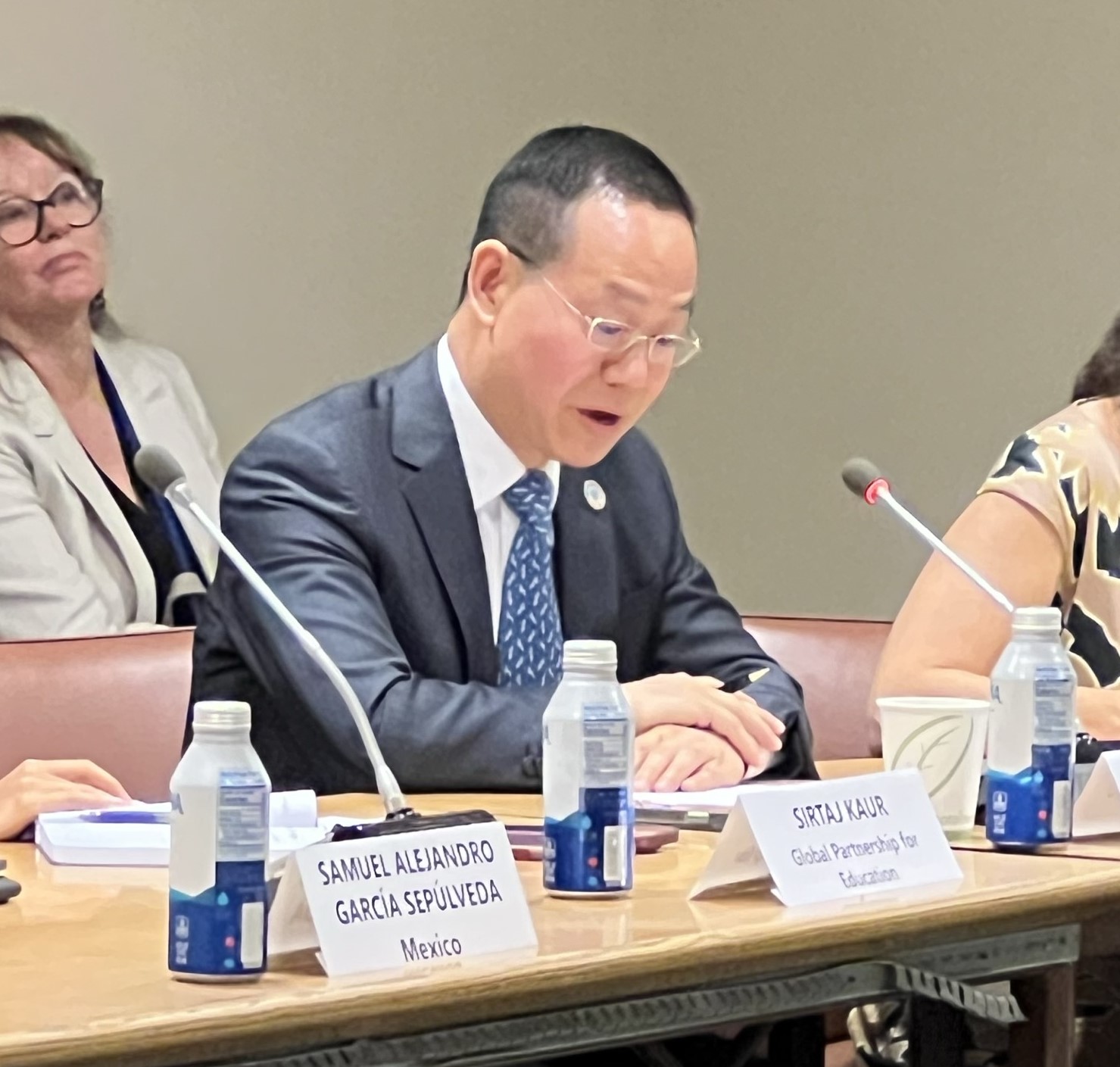
 ️ Sirtaj Kaur, Public Policy Lead, Global Partnership for Education:
"School meals are vital amid climate change, economic challenges, and war. They are key to transforming education and addressing poverty, hunger, and climate change. GPE backs national visions, providing funding and coordinated action to tackle poverty and hunger. Our school nutrition initiative with @WFP strengthens national capacities.”